Monday, April 24, 2023

Global warming

 Global warming refers to the long-term increase in the average temperature of the Earth's atmosphere and oceans, primarily due to human activities, such as the burning of fossil fuels (coal, oil, and gas) and deforestation. These activities have resulted in an increase in the concentration of greenhouse gases (such as carbon dioxide, methane, and nitrous oxide) in the atmosphere, which trap heat from the sun and cause the planet to warm.

The consequences of global warming include rising sea levels, more frequent and severe weather events (such as heat waves, droughts, and hurricanes), melting of glaciers and sea ice, and changes in ecosystems and the distribution of plant and animal species. These changes can have significant impacts on human societies, including food and water security, public health, and economic stability.

Mitigating global warming requires reducing greenhouse gas emissions through actions such as transitioning to renewable energy sources, improving energy efficiency, and reducing deforestation. Adaptation measures, such as building sea walls and improving drought-resistant agriculture, can also help to manage the impacts of climate change.

Heatwave

 A heatwave is a prolonged period of abnormally hot weather, which is typically accompanied by high humidity. Heatwaves can be dangerous to human health, especially for vulnerable populations such as the elderly, children, and those with pre-existing health conditions. During a heatwave, it's important to stay hydrated, stay in cool areas, and avoid strenuous activities during the hottest parts of the day. Additionally, it's important to be aware of the signs and symptoms of heat-related illnesses such as heat exhaustion and heatstroke. Heatwaves are becoming more frequent and severe due to climate change, and it's important to take steps to reduce greenhouse gas emissions to prevent further warming of the planet.

A heatwave is a prolonged period of excessively hot weather, which may be accompanied by high humidity and/or increased air pollution. Heatwaves can be dangerous, particularly for vulnerable populations such as the elderly, young children, and those with certain health conditions. The severity and duration of a heatwave can vary, but they are typically defined as a period of several consecutive days where temperatures are significantly higher than normal for the region. Heatwaves can have a range of impacts on human health, infrastructure, and the natural environment, including increased risk of heatstroke, dehydration, wildfires, and power outages.

The Bermuda Triangle


The Bermuda Triangle, also known as the Devil's Triangle, is a region in the western part of the North Atlantic Ocean where ships and planes have disappeared under mysterious circumstances. The boundaries of the Bermuda Triangle vary depending on the source, but it is generally considered to cover an area of about 500,000 square miles (1.3 million square kilometers) off the southeastern coast of the United States.

There have been many theories about what causes the strange occurrences in the Bermuda Triangle, ranging from human error and piracy to natural disasters and even supernatural forces. However, most experts believe that the incidents can be attributed to a combination of factors, including human error, environmental conditions, and the vastness of the ocean.

It is worth noting that despite its reputation, the Bermuda Triangle is not statistically more dangerous than any other part of the ocean, and many of the incidents attributed to the Triangle have been found to have perfectly reasonable explanations.

Sunday, April 23, 2023

USA


 The United States of America (USA) is a federal republic located in North America. It is made up of 50 states, a federal district (Washington, D.C.), and several territories. The country has a diverse population of over 330 million people, with English as the most commonly spoken language.

The USA has a long history that includes European colonization, the American Revolution, and the Civil War, among other significant events. The country is known for its cultural and ethnic diversity, as well as its contributions to science, technology, and the arts.

The United States is a global economic and military power, and its political system is based on a federal presidential constitutional republic, in which the President serves as both head of state and head of government. The government is divided into three branches: the executive, legislative, and judicial branches.

The USA has a capitalist economy, which is the largest in the world by GDP. It is also a leader in technological innovation, with a strong emphasis on research and development in fields such as aerospace, biotechnology, and information technology.

The United States is known for its iconic landmarks and attractions, including the Statue of Liberty, the Grand Canyon, and Disneyland. It is also home to many world-renowned universities, cultural institutions, and sports teams.

Democracy


 Democracy is a form of government in which power is ultimately held by the people, either directly or through elected representatives. In a democratic system, citizens have the right to participate in the decision-making process, typically through voting and other forms of civic engagement.

Democracy is often characterized by certain key principles, such as the protection of individual rights and freedoms, the rule of law, and the separation of powers between different branches of government. In a democratic system, political leaders are chosen through free and fair elections, and the government is held accountable to the people through a system of checks and balances.

While there are many different forms of democracy, ranging from direct democracy to representative democracy, the core idea is that the people have a say in how they are governed. Democracies can vary widely in their political, economic, and social systems, but they all share a commitment to the principle of popular sovereignty, or the idea that the people should have the ultimate authority over their own lives and communities.

Kashmir


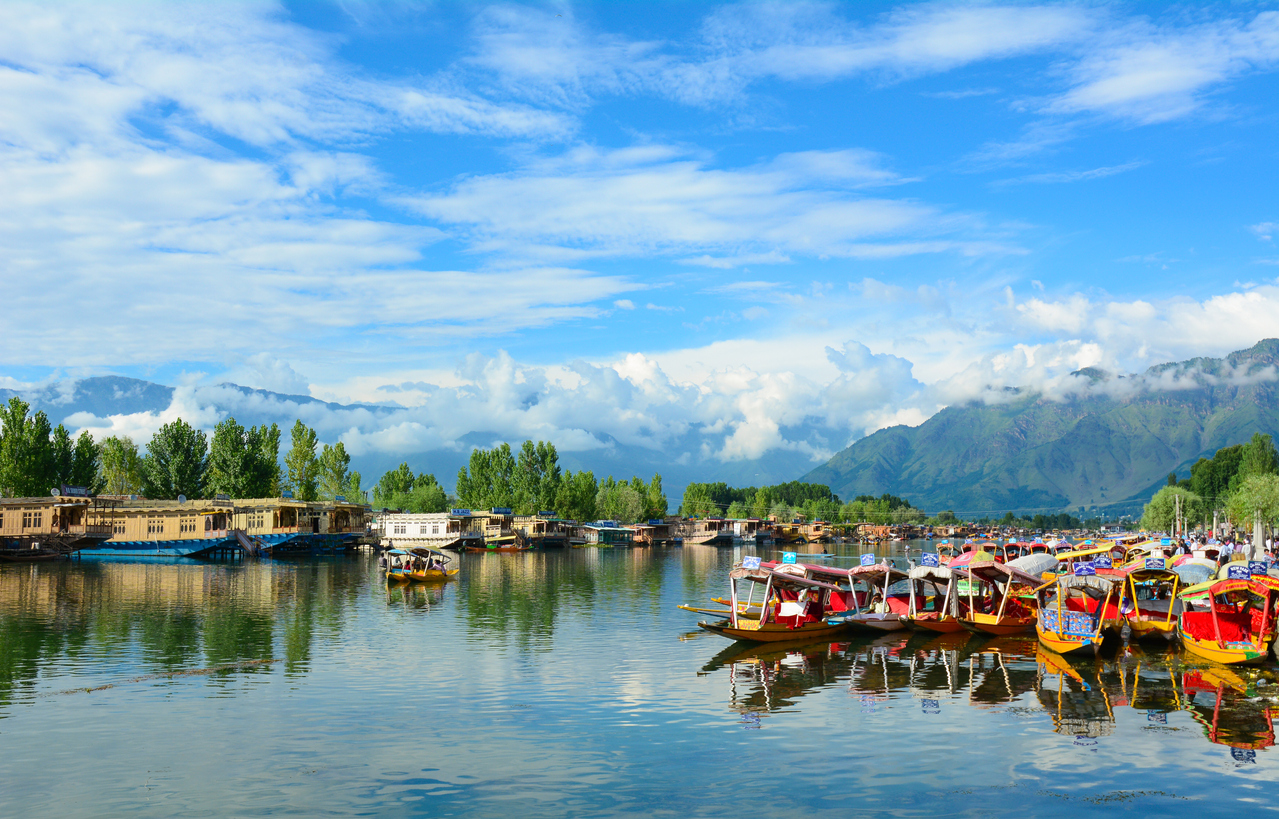
 Kashmir is a region in the northern part of the Indian subcontinent, bordered by India, Pakistan, and China. It is known for its scenic beauty, particularly its snow-capped mountains, lakes, and forests. However, the region has been a source of political conflict for decades, with both India and Pakistan claiming sovereignty over the territory.

In 1947, when India gained independence from British rule, the former princely state of Jammu and Kashmir was given the choice to join either India or Pakistan. The Maharaja of the state chose to remain independent, but soon after, Pakistan invaded the region, leading to a war between India and Pakistan. As a result, the territory was divided into two parts, with one part administered by India (Jammu and Kashmir) and the other by Pakistan (Azad Jammu and Kashmir and Gilgit-Baltistan).

The conflict over Kashmir has resulted in several wars between India and Pakistan and has also given rise to militant groups in the region. The issue remains unresolved, with both India and Pakistan claiming sovereignty over the entire region.

Russia


 Russia is the world's largest country by land area, spanning across both Europe and Asia. Its capital and largest city is Moscow. Russia has a population of approximately 144 million people and is known for its rich cultural heritage, including literature, music, art, and architecture.

Russia has a complex political history, having been ruled by tsars until the Russian Revolution in 1917. After the revolution, the country became the Soviet Union, which was dissolved in 1991, leading to the establishment of the Russian Federation.

Russia is one of the world's largest economies and is rich in natural resources such as oil, gas, timber, and minerals. It is also a major player in world politics and has been involved in conflicts such as the ongoing Syrian civil war and the annexation of Crimea from Ukraine.

The country has a diverse climate, ranging from arctic conditions in the north to subtropical climate in the south. It is also home to a number of notable landmarks, such as the iconic St. Basil's Cathedral in Moscow and the Winter Palace in St. Petersburg.

Harry Potter

 The Dark Lord Ascending T he two men appeared out of nowhere, a few yards apart in the narrow, moonlit lane. For a second they stood quite ...