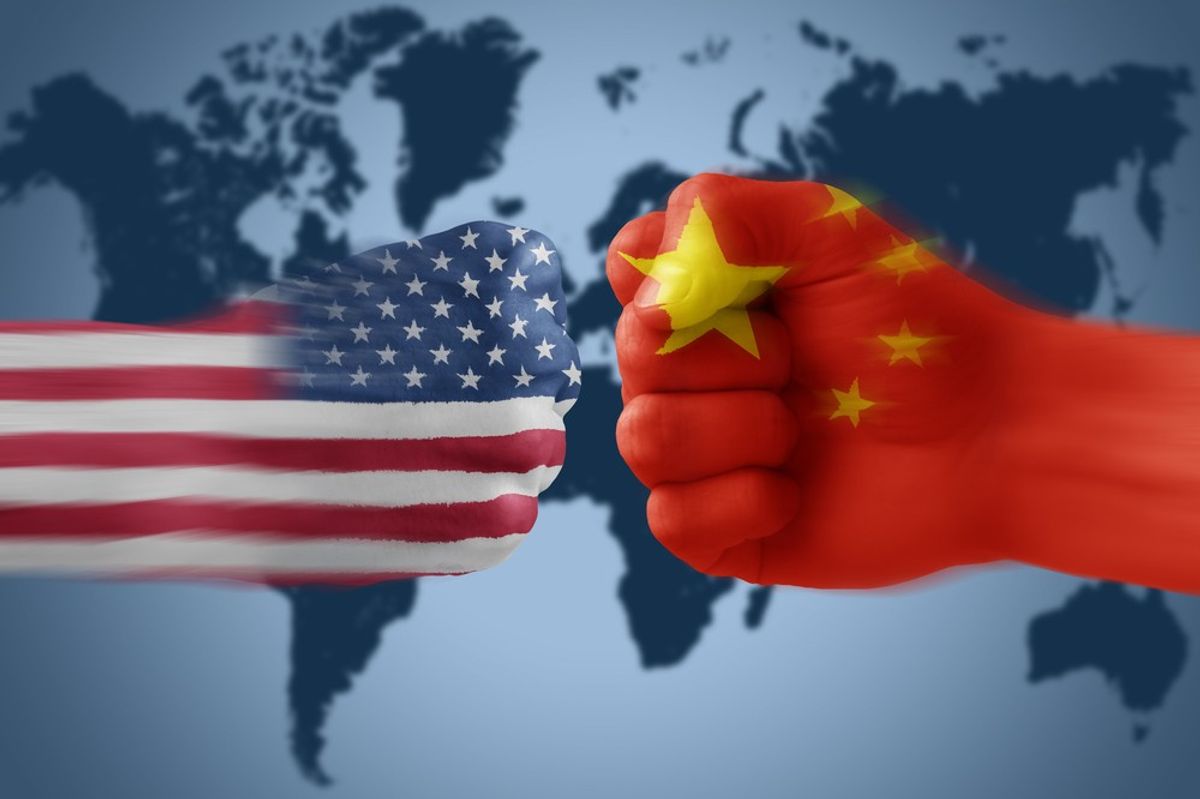
The possibility of a military conflict between China and the U.S. is a complex topic with many variables, influenced by geopolitical interests, economic interdependence, and ongoing regional tensions, particularly in the Asia-Pacific. Here are some important factors often considered in analyses on this subject:
Economic Interdependence: The U.S. and China are highly economically interdependent, with each country being a significant trading partner to the other. This interconnectedness raises the stakes of any conflict, as it would result in massive economic losses on both sides and globally. This factor often acts as a deterrent to war.
Taiwan Strait Tensions: Taiwan remains one of the most sensitive and potentially explosive issues. China considers Taiwan a part of its territory and has not ruled out the use of force to achieve reunification. The U.S. supports Taiwan's self-defense capabilities, and a conflict over Taiwan could draw in the U.S., especially given its commitments under the Taiwan Relations Act.
Military Build-Up and Technological Competition: Both countries have been modernizing their militaries and advancing in areas like cybersecurity, AI, and missile technology. This arms race could heighten mistrust and fuel a security dilemma, where each side perceives the other's military advancements as a direct threat.
South China Sea Disputes: China's claims over the South China Sea and its militarization of islands in the area have led to conflicts with neighboring countries and increased U.S. naval presence to ensure freedom of navigation. Though currently a standoff, these interactions increase the risk of accidental confrontations.
Strategic Deterrence and Diplomacy: Both nations have nuclear capabilities, which has a deterrent effect. Diplomacy between the two countries—despite tensions—continues to play a role in managing competition and preventing escalation. High-level diplomatic channels, like those between military leaders, help avoid misunderstandings that could lead to conflict.
Global Alliances and Influence: Both nations are competing for global influence, with the U.S. having a network of alliances in the Indo-Pacific, including Japan, South Korea, and Australia, while China seeks closer ties with countries through initiatives like the Belt and Road. Alliances can complicate the dynamics and either deter or entangle the U.S. and China in regional issues.
While tensions are high, many experts believe that a direct military conflict is still unlikely due to the severe consequences it would have. Instead, competition may remain in economic, technological, and diplomatic spheres, with efforts from both sides to avoid a full-scale war.


