Antelopes are a diverse
group of herbivorous mammals belonging to the family Bovidae, characterized by
their slender bodies, long legs, and distinctive horns. They are native to
various habitats across Africa, Asia, and parts of the Americas. From the graceful
springbok to the majestic impala, antelopes exhibit a remarkable array of
adaptations that enable them to thrive in diverse environments.
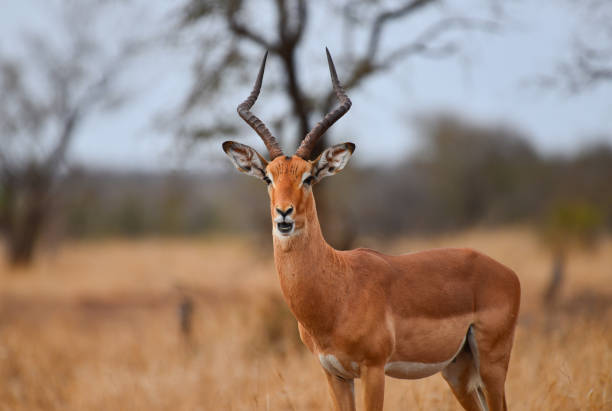
Physically, antelopes vary widely in size,
coloration, and horn structure. Some species, like the diminutive dik-dik,
stand only a foot tall at the shoulder, while others, such as the eland, can
reach heights of over six feet. Their coats display an assortment of patterns
and hues, ranging from the sandy tones of the oryx to the striking black and
white markings of the sable antelope. The horns of antelopes also come in an
assortment of shapes and sizes, from the elegant spirals of the kudu to the
straight, sharp-tipped horns of the impala.
One of the most notable features of antelopes is
their speed and agility. Many species are capable of running at high speeds
over long distances, making them well-equipped to evade predators such as
lions, cheetahs, and hyenas. Their long, slender legs and lightweight bodies
allow them to cover vast stretches of terrain with ease, while their keen
senses of sight, smell, and hearing help them detect danger from afar.
Antelopes are primarily herbivores, feeding on a
diet of grasses, leaves, and other vegetation. Their specialized digestive
systems enable them to extract nutrients from tough, fibrous plant material,
allowing them to thrive in regions where food resources may be scarce. Some
species, like the springbok, are known for their ability to survive in arid
environments by obtaining water from the plants they consume or from dew
collected on their fur.
These animals are also highly social, often
forming herds that range in size from a few individuals to several hundred.
Within these herds, individuals engage in complex social behaviors such as
grooming, playing, and establishing dominance hierarchies. Mating rituals vary
among species but often involve elaborate displays of strength and agility by
males competing for the attention of females.
Despite their adaptability and resilience,
antelopes face numerous threats to their survival. Habitat loss, caused by
human encroachment and agricultural expansion, has led to the fragmentation and
destruction of their natural habitats. Poaching for their horns and hides also
poses a significant threat to many species, particularly those with large,
impressive horns prized as trophies or traditional medicine.
Conservation efforts aimed at protecting
antelope species and their habitats are underway across their range. National
parks and reserves provide crucial refuges for these animals, offering
sanctuary from human activities and preserving vital ecosystems. Additionally,
initiatives to combat poaching and illegal wildlife trade are helping to reduce
the pressures facing antelope populations.
In conclusion, antelopes are a diverse and
fascinating group of mammals, adapted to thrive in a wide range of habitats
across the globe. From the sweeping plains of Africa to the rugged mountains of
Asia, these graceful creatures exemplify the beauty and resilience of the
natural world. However, their survival is increasingly threatened by human
activities, underscoring the importance of conservation efforts to ensure their
continued existence for generations to come.
antelope,antelope hunting,antelope vs cheetah,cheetah vs antelope,pronghorn antelope,antelopes,antelope running,antelope jumping,springbok antelope,african antelopes,biggest antelope,sable antelope,facts about antelope,all antelopes,springboks antelopes vs cheetahs,antelope sound,list of antelopes,top antelope,the antelope,antelope noises,antelope sounds,antelope gun,antelopes in world,types of antelopes,kinds of antelopes,antelopes habitat


