Chloropicrin, also known by its chemical name trichloronitromethane or nitrochloroform, is a chemical compound with the formula CCl3NO2. It is a dense, colorless to pale yellow liquid with a sharp, pungent odor similar to that of tear gas. This characteristic odor makes it useful as a warning agent for detecting leaks in gas pipelines.
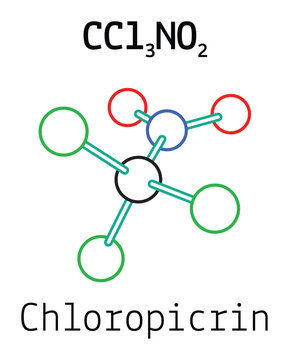
The molecular structure of chloropicrin consists of a central carbon atom bonded to three chlorine atoms and one nitro group (NO2). This arrangement gives chloropicrin its unique chemical properties, including its reactivity and toxicity.
Historical Uses
Chloropicrin has a long history of use, dating back to the early 20th century. It was first synthesized in 1848 by the German chemist Justus von Liebig but gained prominence later for its applications in warfare and agriculture.
Warfare
During World War I, chloropicrin was employed as a chemical weapon due to its irritating effects on the respiratory system and eyes. It was often used in combination with other chemical agents, such as phosgene and mustard gas, to enhance its toxic effects on enemy troops. However, its use as a chemical weapon diminished after the war due to international agreements banning the use of chemical warfare agents.
Agriculture
One of the most significant historical uses of chloropicrin has been in agriculture as a soil fumigant. Farmers and agricultural workers used chloropicrin to control pests, nematodes, fungi, and other pathogens in soil before planting crops. Its ability to penetrate soil and target a wide range of pests made it a valuable tool in agricultural practices.
Modern Applications
While chloropicrin's use as a chemical weapon has declined, its importance in agriculture persists. Modern agricultural practices rely on chloropicrin for soil fumigation to ensure crop health and yield. However, its use is highly regulated due to environmental and health concerns. Additionally, chloropicrin finds applications in other industries:
Soil Fumigation
In agriculture, chloropicrin is used primarily as a pre-plant soil fumigant. It helps control soil-borne pathogens, nematodes, weeds, and other pests that can damage crops. Farmers apply chloropicrin before planting to create a healthier growing environment and improve crop yields.
Warning Agent
Chloropicrin's strong odor makes it an effective warning agent in industrial settings. It is added to natural gas and other gases to detect leaks and ensure worker safety. Even at low concentrations, its odor is detectable, alerting workers to potential hazards.
Chemical Intermediates
Chloropicrin serves as a precursor in the synthesis of other chemicals and pharmaceuticals. Its unique chemical structure allows for various reactions, leading to the production of diverse compounds used in industry and research.
Environmental Impact
The widespread use of chloropicrin, particularly in agriculture, raises concerns about its environmental impact. Here are key considerations regarding its effects on the environment:
Soil and Water Contamination
Improper handling or disposal of chloropicrin can lead to soil and water contamination. It is crucial for users to follow strict guidelines and regulations to minimize environmental pollution.
Toxicity to Non-Target Organisms
Chloropicrin is toxic to a wide range of organisms, including beneficial soil microbes, insects, and small animals. Its use requires careful management to minimize harm to non-target species and ecosystems.
Air Quality
Chloropicrin can contribute to air pollution if released into the atmosphere. Proper containment and emission control measures are essential to prevent its dispersion and potential health hazards.
Safety Considerations
Due to its toxicity and potential health risks, handling chloropicrin requires strict adherence to safety protocols and regulations. Here are key safety considerations:
Protective Gear
Workers handling chloropicrin must wear appropriate personal protective equipment (PPE), including gloves, goggles, respiratory masks, and protective clothing.
Ventilation
Areas where chloropicrin is used or stored must have adequate ventilation to prevent the buildup of vapors, which can be harmful if inhaled.
Training and Awareness
Proper training and awareness programs are crucial for individuals working with chloropicrin. They should understand its hazards, safe handling procedures, emergency response protocols, and regulatory requirements.
Regulatory Compliance
Users must comply with local, national, and international regulations governing the use, storage, transport, and disposal of chloropicrin. Regulatory agencies set limits on exposure levels and provide guidelines for risk mitigation.
Conclusion
Chloropicrin is a versatile chemical compound with a complex history and diverse applications. From its origins as a chemical weapon to its modern use in agriculture and industry, chloropicrin's properties make it valuable yet challenging to manage safely. Environmental concerns, regulatory oversight, and safety precautions play critical roles in ensuring its responsible use and minimizing potential risks to human health and the environment.


