Donald J. Trump’s ascent from a real estate mogul to the 45th President of the United States is a narrative of audacity, controversy, and unprecedented political change. His unorthodox style and populist rhetoric reshaped American politics, leaving an indelible mark on the nation's history. This article explores Trump’s political journey, his significant policies, controversies, and his lasting impact on the American political landscape.
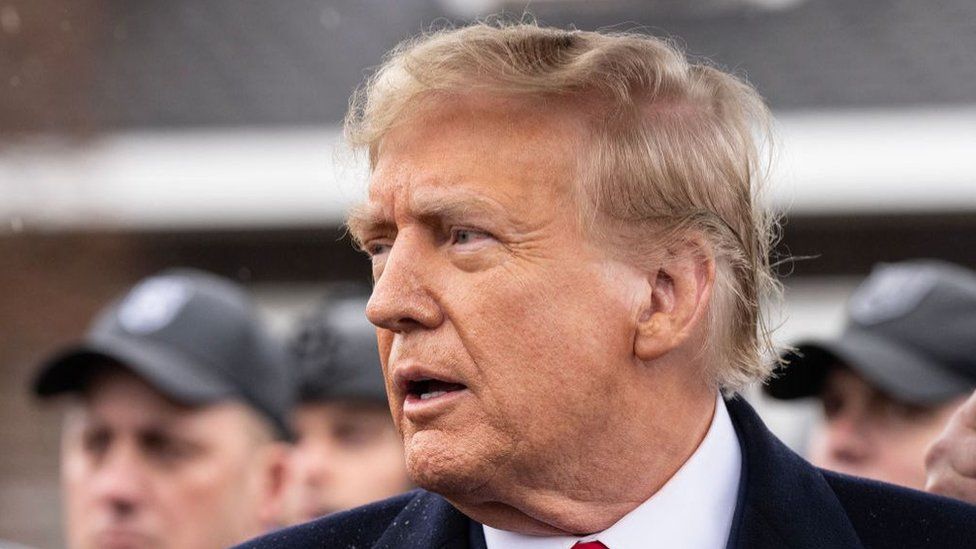
Early Life and Business Career
Donald John Trump was born on June 14, 1946, in Queens, New York. The son of real estate developer Fred Trump, Donald Trump was exposed to the world of business from a young age. He attended the Wharton School at the University of Pennsylvania, where he earned a degree in economics.
Trump joined his father’s real estate business in 1968, and over the decades, he expanded the Trump Organization's portfolio with a focus on luxury real estate, hotels, and casinos. Trump's name became synonymous with opulence and ambition, thanks in part to his high-profile projects and the self-promotion that made him a household name.
Entering the Political Arena
Trump's political aspirations were evident long before he officially entered the race for the presidency. He flirted with presidential runs in 1988, 2000, and 2012, but it wasn't until 2015 that he announced his candidacy for the Republican nomination. His campaign was marked by its unconventional style, with Trump leveraging his celebrity status and media savvy to gain attention.
The 2016 Presidential Campaign
Trump's 2016 campaign was unlike any in recent American history. His slogan, "Make America Great Again," resonated with a wide swath of voters dissatisfied with the political establishment. Trump's campaign focused on issues such as immigration reform, economic nationalism, and a strong stance against globalism. His often incendiary rhetoric, including calls to build a wall on the U.S.-Mexico border and a temporary ban on Muslims entering the country, sparked both fervent support and fierce opposition.
Despite facing skepticism from political pundits and the media, Trump secured the Republican nomination and went on to defeat Democratic candidate Hillary Clinton in a stunning electoral victory. His triumph was attributed to his appeal to working-class voters in key swing states and his ability to dominate media coverage.
Presidency: Key Policies and Actions
Economic Policies: Trump’s administration prioritized deregulation and tax cuts. The Tax Cuts and Jobs Act of 2017 was a major legislative achievement, reducing corporate tax rates and offering individual tax cuts. His economic agenda aimed to stimulate growth and increase employment, resulting in a booming stock market and low unemployment rates before the COVID-19 pandemic.
Immigration: Immigration reform was a cornerstone of Trump’s presidency. His administration implemented a "zero tolerance" policy that led to the separation of migrant families at the border, a practice that drew widespread criticism. Trump's efforts to end the Deferred Action for Childhood Arrivals (DACA) program and build a border wall were central to his immigration strategy.
Foreign Policy: Trump's "America First" approach reshaped U.S. foreign policy. He withdrew the U.S. from the Paris Climate Agreement, renegotiated NAFTA as the USMCA, and took a hardline stance on trade with China. Trump's administration brokered the Abraham Accords, normalizing relations between Israel and several Arab nations, which was seen as a significant diplomatic achievement.
Judicial Appointments: Trump had a lasting impact on the federal judiciary, appointing three Supreme Court justices—Neil Gorsuch, Brett Kavanaugh, and Amy Coney Barrett—shifting the court's balance to the right. His administration confirmed a record number of federal judges, influencing the judiciary for generations.
Controversies and Impeachments
Trump's presidency was fraught with controversies and legal challenges. He faced two impeachments, a historic first for a U.S. president. The first impeachment in 2019 was related to allegations that he solicited foreign interference in the 2020 election by pressuring Ukraine to investigate Joe Biden. The Senate acquitted him. The second impeachment followed the January 6, 2021, Capitol riot, with charges of incitement of insurrection. Again, he was acquitted by the Senate.
His handling of the COVID-19 pandemic was heavily criticized, with detractors pointing to a delayed response and inconsistent messaging. Additionally, his persistent claims of election fraud following his loss in the 2020 election to Joe Biden culminated in the Capitol riot, leading to widespread condemnation and a second impeachment.
Post-Presidency and Legacy
After leaving office, Trump continued to wield significant influence within the Republican Party. He remained a polarizing figure, with a loyal base of supporters and a substantial presence in the media. His post-presidency has been marked by ongoing legal battles and continued assertions of election fraud.
Trump’s political legacy is complex and multifaceted. He redefined the Republican Party, shifting its focus towards populism and nationalism. His tenure saw significant policy shifts, judicial appointments, and diplomatic efforts that will have long-term implications. However, his presidency also exposed deep divisions within American society and raised critical questions about the state of American democracy.
Donald Trump’s political life is a story of disruption and transformation. From a business tycoon to a president who defied conventions, his impact on American politics will be studied and debated for years to come.#TrumpImpeachment
#TrumpLegacy
#TrumpEconomics
#TrumpForeignPolicy
#TrumpImmigration


