Sunday, July 14, 2024

Mirzapur Season 4 Review: A Thrilling Continuation with Deepening Complexity


Mirzapur has captivated audiences since its debut, and Season 4 continues the legacy of intense drama, intricate plotting, and powerful performances. This latest installment delves deeper into the dark underbelly of Mirzapur, exploring themes of power, revenge, and morality with a renewed vigor.

Plot and Storyline

Season 4 picks up where the explosive events of the previous season left off. The power struggle intensifies, with Guddu Pandit (Ali Fazal) and Golu Gupta (Shweta Tripathi Sharma) consolidating their hold over Mirzapur while facing new and formidable adversaries. The show introduces fresh characters and subplots, weaving them seamlessly into the existing narrative fabric. Each episode is a blend of suspense and action, keeping viewers on the edge of their seats.

Performances

Ali Fazal delivers a stellar performance, embodying Guddu's transformation from a vengeance-driven individual to a more calculated and strategic leader. Shweta Tripathi Sharma's portrayal of Golu is equally compelling, showcasing her evolution into a formidable power player. Pankaj Tripathi as Kaleen Bhaiya continues to be a highlight, bringing depth and nuance to his role. The supporting cast, including new entrants, add richness and complexity to the storyline.

Direction and Cinematography

The direction in Season 4 is top-notch, maintaining the gritty and raw aesthetic that Mirzapur is known for. The directors skillfully balance the show's violent elements with moments of quiet introspection, providing a well-rounded viewing experience. Cinematographically, the series excels, with visually stunning shots that enhance the storytelling and immerse the audience in the world of Mirzapur.

Writing and Dialogue

The writing in Season 4 stands out for its sharpness and depth. The dialogues are impactful, often laced with dark humor and profound insights into the characters' psyches. The narrative is well-paced, with each episode building up to a crescendo that leaves viewers eagerly anticipating the next.

Music and Soundtrack

The soundtrack of Mirzapur Season 4 complements the intense atmosphere of the series. The background score is effective in heightening tension and accentuating emotional beats. The choice of music aligns perfectly with the show's tone, adding another layer to the overall experience.

Themes and Symbolism

Season 4 delves into themes of power, loyalty, and the cost of ambition. It explores the moral ambiguities faced by its characters, portraying their struggles with remarkable sensitivity. The symbolism throughout the season enriches the narrative, offering deeper meanings and reflections on the human condition.

Conclusion

Mirzapur Season 4 is a compelling continuation of the series, delivering on all fronts—story, performances, direction, and music. It raises the stakes, deepens the characters, and keeps the audience hooked from start to finish. Whether you are a long-time fan or new to the series, Season 4 is a must-watch, reaffirming Mirzapur's place as a standout in the realm of Indian web series.

Sunday, June 30, 2024

আইফোন এক্সপার্ট - গ্লোডেন শান

অনেক দিন আইফোনের দুবাই ,আমেরিকান ভার্সন নিয়ে কাজ করেন   Golden Shan এর কর্ণধার Shan। এখন তিনি অনেকটা হাতে নিয়ে বলে দিতে পারেন ফোনের বর্তমান কন্ডিশন, এ যেন এক ম্যাজিক। তিনি কথা বললেন  সেকেন্ড হ্যান্ড কেনার বিভিন্ন বিবেচনার দিক সম্পর্কে

আইফোন কেনার সময় কিছু গুরুত্বপূর্ণ বিষয় খেয়াল রাখা উচিত, যাতে আপনি ভাল মানের ফোন কিনতে পারেন এবং ভবিষ্যতে কোন সমস্যার সম্মুখীন না হন। 
ফোনের অবস্থা:
    • বাহ্যিক অবস্থা: স্ক্র্যাচ, ডেন্ট বা ক্র্যাক আছে কিনা।
    • স্ক্রিন ও টাচ: স্ক্রিনে কোন সমস্যা নেই এবং টাচ সঠিকভাবে কাজ করছে কিনা।
    • বাটন ও পোর্ট: সব বাটন এবং পোর্ট সঠিকভাবে কাজ করছে কিনা।
  1. ব্যাটারি স্বাস্থ্য:

    • আইফোনের ব্যাটারির স্বাস্থ্য (Battery Health) চেক করা উচিত। সেটিংসে গিয়ে Battery Health অপশনে দেখে নিন ব্যাটারির সক্ষমতা কত শতাংশ আছে।
  2. আইক্লাউড লক:

    • ফোনটি আইক্লাউড লক করা আছে কিনা নিশ্চিত হন। আইক্লাউড লক থাকলে, আপনি ফোনটি ব্যবহার করতে পারবেন না।
  3. IMEI ও সিরিয়াল নম্বর:

    • ফোনের IMEI ও সিরিয়াল নম্বর যাচাই করুন। এটি আসল কিনা এবং ফোনটি চুরি হয়নি কিনা তা নিশ্চিত করতে সহায়ক।
  4. ফিচার ও ফাংশনালিটি:

    • ক্যামেরা, স্পিকার, মাইক্রোফোন, সেন্সর ইত্যাদি সঠিকভাবে কাজ করছে কিনা পরীক্ষা করুন।
  5. কভারেজ ও ওয়ারেন্টি:

    • ওয়ারেন্টি বা কভারেজ রয়েছে কিনা তা দেখে নিন। যদি থাকে তবে সেটি কতদিন বাকি রয়েছে তা যাচাই করুন।
  6. মূল্য ও বাজার মূল্য:

    • ফোনের বর্তমান বাজার মূল্য যাচাই করুন এবং সেই অনুযায়ী দাম নির্ধারণ করুন।
  7. ফোনের স্টোরেজ ও মডেল:

    • ফোনের স্টোরেজ এবং মডেলটি আপনার প্রয়োজন অনুযায়ী কিনা তা নিশ্চিত করুন।

এই বিষয়গুলো খেয়াল রেখে পুরাতন আইফোন কেনা হলে, আপনি একটি ভাল মানের ফোন পেতে পারেন।


Tuesday, June 18, 2024

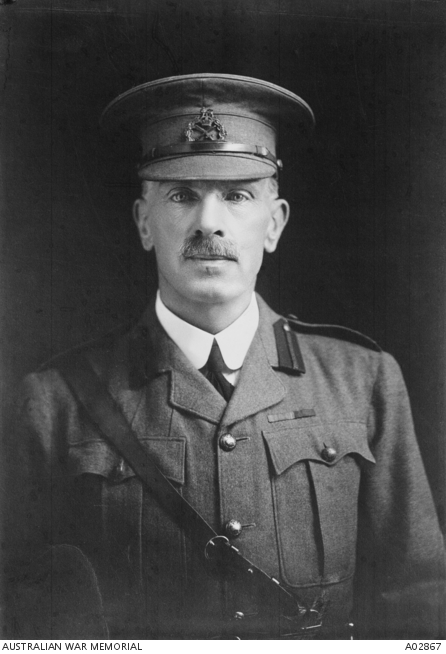
Major-General Sir William Throsby Bridges: A Biography

#### Early Life

- **Birth and Family**: William Throsby Bridges was born on February 18, 1861, in Greenock, Scotland. He was the son of William Wilson Somerset Bridges, an engineer, and his wife Mary Hill Throsby.

- **Education**: In 1873, the Bridges family emigrated to Australia. William attended Sydney Grammar School before returning to England to study at the Royal Naval School, New Cross, and then at the Royal Military Academy, Woolwich.


#### Early Military Career

- **Commissioning**: Bridges was commissioned into the Royal Artillery in 1879. However, he returned to Australia in 1885 and transferred to the New South Wales Permanent Artillery.

- **Career Progression**: Bridges held various positions, including artillery instructor and staff officer, which showcased his organizational talents and dedication.


#### Contributions to Australian Military

- **Boer War**: During the Second Boer War, Bridges served as a staff officer, earning valuable experience in operations and logistics.

- **Royal Military College, Duntroon**: In 1910, he was appointed as the first commandant of the newly established Royal Military College at Duntroon in Canberra, which aimed to train officers for the Australian Army.


#### World War I

- **Formation of the AIF**: At the outbreak of World War I in 1914, Bridges was given the task of raising and commanding the 1st Australian Division as part of the Australian Imperial Force (AIF).

- **Gallipoli Campaign**: Bridges led his division in the Gallipoli Campaign, one of the most significant and grueling battles faced by Australian forces during the war. The campaign began in April 1915, with the aim of capturing the Dardanelles and providing a sea route to Russia.


#### Death and Legacy

- **Wounding and Death**: On May 15, 1915, during the Gallipoli Campaign, Bridges was severely wounded by a Turkish sniper while inspecting the front lines. Despite immediate medical attention, he succumbed to his injuries on May 18, 1915, aboard a hospital ship.

- **Burial**: Initially buried at sea, Bridges' body was later exhumed and returned to Australia, where he was buried with full military honors at the Royal Military College, Duntroon, the institution he had helped establish.


#### Honors and Recognition

- **Knighthood**: Bridges was posthumously knighted as a Knight Commander of the Order of the Bath (KCB) in recognition of his service and contributions to the Australian military.

- **Legacy**: Major-General Sir William Throsby Bridges is remembered for his crucial role in the formation of the AIF and his leadership during the early stages of World War I. His legacy lives on at the Royal Military College, Duntroon, and in the annals of Australian military history.


#### Personal Life

- **Family**: Bridges married Edith Lilian Francis in 1885, and the couple had seven children. Despite his demanding career, he maintained a close relationship with his family.


### Conclusion

Major-General Sir William Throsby Bridges' career was marked by dedication, strategic insight, and a deep commitment to the development of the Australian military. His leadership during a critical period of World War I and his foundational role at the Royal Military College, Duntroon, have left a lasting impact on Australia's military heritage.

Sunday, June 16, 2024

Igor Netto

 Igor Netto was a prominent Soviet footballer who played as a midfielder and served as the captain of the Soviet Union national football team during the 1950s and early 1960s. He is widely regarded as one of the greatest footballers in Soviet history and made significant contributions both domestically and internationally. Here are some key highlights of Igor Netto's career:


  1. Early Career: Igor Netto was born on January 9, 1930, in Moscow, Soviet Union. He began his football career playing for FC Spartak Moscow, one of the most successful clubs in Soviet football history.

  2. International Career: Netto made his debut for the Soviet Union national team in the early 1950s and quickly established himself as a key player. Known for his exceptional vision, passing ability, and leadership on the field, he became the team's captain and led them to numerous successes.

  3. Achievements: One of Netto's crowning achievements was leading the Soviet Union to the final of the inaugural UEFA European Championship in 1960. Although they lost to Yugoslavia in the final, Netto's leadership and midfield prowess were crucial throughout the tournament.

  4. Club Success: At the club level, Netto enjoyed a highly successful career with FC Spartak Moscow, winning multiple Soviet Top League titles and Soviet Cups. He spent his entire club career with Spartak Moscow, making over 400 appearances for the club.

  5. Legacy: Igor Netto is remembered not only for his skillful play but also for his integrity and sportsmanship. He was known as a fair and respected player both domestically and internationally, earning admiration from fans and fellow professionals alike.

  6. Later Years: After retiring from playing, Netto remained involved in football as a coach and administrator. He continued to be a prominent figure in Soviet and Russian football until his passing on March 30, 1999.

Igor Netto's influence on Soviet football and his legacy as one of its greatest midfielders remain significant to this day, reflecting his lasting impact on the sport in the region.

  • #IgorNetto
  • #SovietFootball
  • #FootballLegend
  • #RussianFootball
  • #SovietUnion
  • #FootballHistory
  • #Soccer
  • #FootballPlayers
  • #SportsLegends
  • #FootballCaptain
  • #SovietSports
  • #SovietAthlete
  • #RussianSports
  • #FootballHeroes
  • #FootballChampions
  • Sherlock Holmes & The Adventure of The Gloria Scott: A Tale of Friendship and Treachery

     Sherlock Holmes is a name synonymous with unparalleled intellect and impeccable detective skills. In "The Adventure of The Gloria Scott," Sir Arthur Conan Doyle takes us back to a time before Holmes became the world-renowned detective, offering a glimpse into his formative years and his first encounter with the criminal underworld.


    The Beginning of a Lifelong Friendship

    The story begins with Holmes recounting an early adventure to his loyal companion, Dr. John Watson. During his university days, Holmes spent a summer vacation at the home of his college friend, Victor Trevor. It was here, in the tranquil Norfolk countryside, that Holmes first exercised his investigative prowess.

    Victor Trevor's father, known simply as Mr. Trevor, was a retired landowner who seemed to be living a peaceful life. However, an unexpected visitor soon shattered this tranquility. This visitor, a seafaring man named Hudson, brought with him an aura of menace and a mysterious past.

    The Dark Past Revealed

    Holmes, ever observant, noticed the change in Mr. Trevor's demeanor upon Hudson's arrival. The once serene and composed man became agitated and fearful. Holmes' curiosity was piqued, and he began to piece together the clues. Mr. Trevor's reluctance to speak of his past, coupled with Hudson's veiled threats, suggested a shared history that was far from innocent.

    One evening, Mr. Trevor, in a state of distress, confided in Holmes. He revealed that his real name was James Armitage and that he had a dark secret. Years earlier, he had been involved in a mutiny on a convict ship, the Gloria Scott. Armitage, along with a group of prisoners, had overthrown the ship's officers and escaped. The incident had been hushed up, and Armitage had assumed a new identity, hoping to leave his past behind.

    The Threat of Exposure

    Hudson, who had been a crew member on the Gloria Scott, was using his knowledge of Armitage's past to extort money from him. The strain of these events took a toll on Mr. Trevor's health, and he suffered a stroke shortly after revealing his secret to Holmes. The situation became even more dire when Holmes discovered a cryptic note among Mr. Trevor's papers. The note hinted at further danger, suggesting that others involved in the mutiny might come seeking revenge or blackmail.

    Holmes, using his burgeoning detective skills, managed to decipher the note. It was a warning from one of Armitage's former accomplices, indicating that Hudson was not the only threat. There were others who knew the truth and might also seek to exploit or harm Mr. Trevor.

    The Conclusion

    Despite Holmes' best efforts to protect his friend's father, the weight of his past misdeeds proved too much for Mr. Trevor. He passed away, leaving Victor and Holmes to reflect on the events. The Adventure of The Gloria Scott marked a significant moment in Holmes' life. It was his first real case, one that revealed the complexities of human nature and the far-reaching consequences of past actions.

    For Holmes, it was a bittersweet victory. He had successfully unraveled the mystery, but at the cost of a good man's peace and ultimately his life. This early case helped to shape Holmes into the detective he would become, instilling in him the importance of justice, the value of friendship, and the relentless pursuit of truth.

    "The Adventure of The Gloria Scott" stands as a testament to Sir Arthur Conan Doyle's storytelling prowess, blending intrigue, emotion, and the timeless appeal of Sherlock Holmes. It reminds us that even the greatest minds start somewhere, and every story has a beginning.

  • #SherlockHolmes
  • #ArthurConanDoyle
  • #DetectiveStories
  • #Mystery
  • #ClassicLiterature
  • #VictorianEra
  • #HolmesAndWatson
  • #FictionalDetectives
  • #CrimeFiction
  • #LiteraryClassics
  • #TheGloriaScott
  • #BookReview
  • #MysteryNovels
  • #Sherlockian
  • #DetectiveFiction
  • Thursday, June 13, 2024

    Richard III

     Richard III, the last king of the House of York and the last of the Plantagenet dynasty, is a figure who has captured the public imagination for centuries. His life and reign have been the subject of much debate, with historians divided over his legacy. Here’s an in-depth look at Richard III:


    Early Life and Background

    • Birth: Richard III was born on October 2, 1452, at Fotheringhay Castle in Northamptonshire, England.
    • Parents: He was the fourth surviving son of Richard Plantagenet, 3rd Duke of York, and Cecily Neville.
    • Family: Richard had three older brothers, including Edward IV, and several sisters. His family played a crucial role in the Wars of the Roses, a series of dynastic conflicts between the houses of Lancaster and York.

    Rise to Power

    • Wars of the Roses: Richard's early life was dominated by these civil wars. His father and elder brother Edmund were killed at the Battle of Wakefield in 1460. His brother Edward IV became king in 1461.
    • Titles and Lands: Richard was made Duke of Gloucester in 1461 and granted large estates in northern England, where he became a key figure in the Yorkist administration.
    • Military Experience: He gained a reputation as a capable military commander, notably at the Battle of Barnet and the Battle of Tewkesbury.

    Ascension to the Throne

    • Protector of the Realm: Upon the death of his brother Edward IV in April 1483, Richard was named Protector for his 12-year-old nephew, Edward V.
    • Seizure of Power: Richard took custody of Edward V and his younger brother Richard, Duke of York. He declared them illegitimate and took the throne himself on June 26, 1483.
    • Princes in the Tower: The two young princes disappeared from the Tower of London, leading to rumors that they had been murdered on Richard’s orders, a claim that remains controversial.

    Reign

    • Coronation: Richard was crowned on July 6, 1483, alongside his wife, Anne Neville.
    • Reforms: Richard III’s short reign was marked by efforts to reform the legal system, including the improvement of bail laws, protections for accused criminals, and measures to fight corruption.

    Downfall and Death

    • Battle of Bosworth Field: Richard III faced a rebellion led by Henry Tudor (later Henry VII). On August 22, 1485, Richard was killed in battle, becoming the last English king to die in combat.
    • Legacy: His death marked the end of the Plantagenet dynasty and the rise of the Tudors. Richard’s reputation suffered posthumously, largely due to Tudor propaganda and William Shakespeare’s portrayal of him as a villain in the play "Richard III."

    Rediscovery of His Remains

    • Discovery: In 2012, Richard III’s remains were found beneath a parking lot in Leicester. DNA testing confirmed his identity.
    • Reburial: He was reinterred with honor at Leicester Cathedral in March 2015, drawing significant public interest.

    Controversies and Historical Debate

    • Historical Debate: Richard III remains a contentious figure. Some historians view him as a capable ruler unfairly maligned by history, while others see him as a ruthless usurper.
    • Popular Culture: Richard III’s story has inspired countless works of literature and art, with Shakespeare’s play being the most famous depiction.

    If you need more detailed information about any specific aspect of Richard III's life or reign, feel free to ask!

    Wednesday, June 12, 2024

    আমেরিকান গৃহযুদ্ধ (American Civil War)

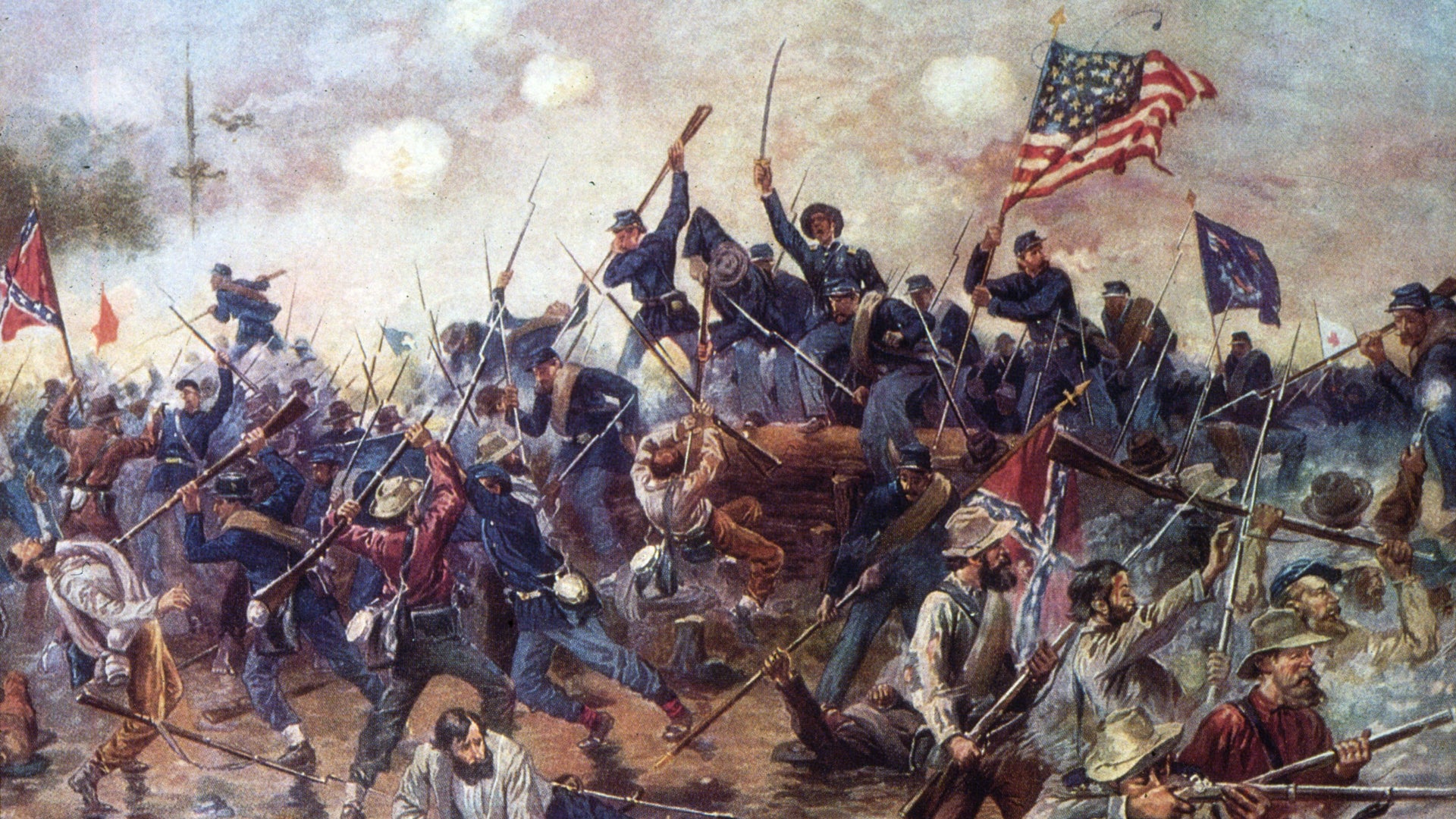
     আমেরিকান গৃহযুদ্ধ (American Civil War) ১৮৬১ থেকে ১৮৬৫ সাল পর্যন্ত যুক্তরাষ্ট্রে সংঘটিত হয়েছিল। এই যুদ্ধের মূল কারণ ছিল দাসপ্রথা নিয়ে উত্তরের ইউনিয়ন (Union) এবং দক্ষিণের কনফেডারেট রাষ্ট্রসমূহের (Confederate States of America) মধ্যে মতবিরোধ। এই যুদ্ধে প্রায় ৬ লাখ মানুষ প্রাণ হারায়, যা যুক্তরাষ্ট্রের ইতিহাসে সবচেয়ে রক্তক্ষয়ী যুদ্ধ হিসেবে পরিচিত।


    যুদ্ধের পটভূমি

    দাসপ্রথা ও অর্থনৈতিক পার্থক্য

    উত্তরের রাজ্যগুলো শিল্পায়িত ও বাণিজ্যিক অর্থনীতির দিকে ঝুঁকে পড়ছিল, যেখানে দক্ষিণের রাজ্যগুলো মূলত কৃষিভিত্তিক ছিল এবং তাদের অর্থনীতি দাসশ্রমের উপর নির্ভরশীল ছিল। দক্ষিণাঞ্চলীয়রা দাসপ্রথাকে তাদের সামাজিক ও অর্থনৈতিক জীবনের অপরিহার্য অংশ মনে করত, অন্যদিকে উত্তরের মানুষ দাসপ্রথার বিরোধী ছিল এবং এটিকে মানবাধিকার লঙ্ঘন হিসেবে দেখত।

    রাজনৈতিক উত্তেজনা

    ১৮৬০ সালে আব্রাহাম লিংকন প্রেসিডেন্ট নির্বাচিত হওয়ার পর পরিস্থিতি আরও উত্তপ্ত হয়ে ওঠে। দক্ষিণের রাজ্যগুলি আশঙ্কা করতে শুরু করে যে লিংকন এবং তার রিপাবলিকান পার্টি দাসপ্রথার সম্প্রসারণ বন্ধ করে দেবে। এর ফলে, ১৮৬০-১৮৬১ সালে এগারোটি দক্ষিণাঞ্চলীয় রাজ্য ইউনিয়ন থেকে বিচ্ছিন্ন হয়ে কনফেডারেট রাষ্ট্রসমূহ গঠন করে।

    প্রধান যুদ্ধ ও ঘটনাবলী

    যুদ্ধের সূচনা

    ১৮৬১ সালের এপ্রিলে দক্ষিণ ক্যারোলিনার ফোর্ট সাম্টারে কনফেডারেট বাহিনী আক্রমণ করে, যা আমেরিকান গৃহযুদ্ধের সূচনা করে।

    উল্লেখযোগ্য যুদ্ধ

    • বুল রান (Bull Run): ১৮৬১ সালের জুলাই মাসে ভার্জিনিয়ায় প্রথম বড় যুদ্ধ সংঘটিত হয়। কনফেডারেট বাহিনী এই যুদ্ধে বিজয়ী হয়।
    • শিলোহ (Shiloh): ১৮৬২ সালের এপ্রিলে টেনেসিতে সংঘটিত হয়, যেখানে উভয় পক্ষের প্রচুর হতাহতের ঘটনা ঘটে।
    • গেটিসবার্গ (Gettysburg): ১৮৬৩ সালের জুলাই মাসে পেনসিলভানিয়ায় সংঘটিত হয়, যা যুদ্ধের সবচেয়ে রক্তক্ষয়ী সংঘর্ষ হিসেবে পরিচিত এবং ইউনিয়নের বিজয় নিশ্চিত করে।
    • ভিক্সবার্গ (Vicksburg): ১৮৬৩ সালের জুলাই মাসে মিসিসিপিতে ইউনিয়নের বিজয় ঘটে, যা মিসিসিপি নদীর পূর্ণ নিয়ন্ত্রণ প্রদান করে।

    গেটিসবার্গ ভাষণ

    ১৮৬৩ সালের নভেম্বরে প্রেসিডেন্ট লিংকন গেটিসবার্গ যুদ্ধক্ষেত্রে একটি স্মরণীয় ভাষণ দেন। তিনি বলেন, "চারটি বছর ও সাত বছর আগে আমাদের পিতারা এই মহাদেশে স্বাধীনতা ঘোষণা করে একটি নতুন জাতি প্রতিষ্ঠা করেছিলেন, যা সকল মানুষকে সমান অধিকারের ধারণার উপর ভিত্তি করে গড়ে উঠেছিল।"

    যুদ্ধের সমাপ্তি ও পরিণতি

    ১৮৬৫ সালের এপ্রিলে ভার্জিনিয়ার অ্যাপোম্যাটক্স কোর্ট হাউসে কনফেডারেট জেনারেল রবার্ট ই. লি ইউনিয়ন জেনারেল উলিসিস এস. গ্রান্টের কাছে আত্মসমর্পণ করেন, যা যুদ্ধের আনুষ্ঠানিক সমাপ্তি নির্দেশ করে।

    দাসপ্রথার অবসান

    যুদ্ধের পর সংবিধানের ত্রয়োদশ সংশোধনী (Thirteenth Amendment) গৃহীত হয়, যা দাসত্বকে সম্পূর্ণরূপে নিষিদ্ধ করে। এছাড়াও, সংবিধানের চতুর্দশ (Fourteenth Amendment) ও পঞ্চদশ (Fifteenth Amendment) সংশোধনী দ্বারা সাবেক দাসদের নাগরিক অধিকার ও ভোটাধিকার প্রদান করা হয়।

    পুনর্গঠন যুগ

    যুদ্ধের পরের বছরগুলোতে পুনর্গঠন যুগ (Reconstruction Era) শুরু হয়, যেখানে দক্ষিণের রাজ্যগুলোকে পুনরায় ইউনিয়নে অন্তর্ভুক্ত করা হয় এবং সাবেক দাসদের অধিকার প্রতিষ্ঠার জন্য বিভিন্ন পদক্ষেপ গ্রহণ করা হয়।

    যুদ্ধের প্রভাব

    আমেরিকান গৃহযুদ্ধ যুক্তরাষ্ট্রের ইতিহাসে একটি গুরুত্বপূর্ণ মাইলফলক। এটি দেশটির সামাজিক, অর্থনৈতিক ও রাজনৈতিক কাঠামোতে গভীর প্রভাব ফেলেছে। দাসপ্রথার অবসান এবং নাগরিক অধিকারের প্রসার যুক্তরাষ্ট্রের গণতন্ত্রকে শক্তিশালী করেছে। তাছাড়া, এই যুদ্ধ জাতীয় সংহতি ও একতার জন্য একটি গুরুত্বপূর্ণ শিক্ষা প্রদান করেছে।

    ঐতিহাসিক দৃষ্টিকোণ

    আমেরিকান গৃহযুদ্ধের ঘটনা ও পরিণতি আজও ইতিহাসবিদদের মধ্যে গভীর আলোচনার বিষয়। এই যুদ্ধের মাধ্যমে যুক্তরাষ্ট্রের সামাজিক ও নৈতিক মূল্যবোধের পরিবর্তন এবং প্রগতির পথ তৈরি হয়েছে। দাসপ্রথার অবসান এবং সমান অধিকার প্রতিষ্ঠার লড়াই এখনও যুক্তরাষ্ট্রের জাতীয় চেতনার একটি গুরুত্বপূর্ণ অংশ।

    আমেরিকান গৃহযুদ্ধের ইতিহাস আমাদেরকে মানবাধিকার, ন্যায়বিচার এবং জাতীয় সংহতির মূল্য উপলব্ধি করায়। এটি শুধুমাত্র একটি সামরিক সংঘাত নয়, বরং একটি নৈতিক ও সামাজিক বিপ্লব যা দেশের ভবিষ্যত গঠনে গুরুত্বপূর্ণ ভূমিকা পালন করেছে।

    বুল রান যুদ্ধ (Battle of Bull Run), যা প্রথম ম্যানাসাস যুদ্ধ (First Battle of Manassas) নামেও পরিচিত, আমেরিকান গৃহযুদ্ধের প্রথম প্রধান যুদ্ধ। এই যুদ্ধটি ১৮৬১ সালের ২১ জুলাই ভার্জিনিয়া অঙ্গরাজ্যের ম্যানাসাস শহরের কাছে সংঘটিত হয়েছিল।

    যুদ্ধের পটভূমি

    যুদ্ধের পূর্ববর্তী পরিস্থিতি

    ১৮৬১ সালে গৃহযুদ্ধ শুরু হওয়ার পর, উভয় পক্ষেরই মনে হয়েছিল যে যুদ্ধ খুব দ্রুত শেষ হয়ে যাবে। উত্তরের ইউনিয়ন বাহিনী ও দক্ষিণের কনফেডারেট বাহিনী দ্রুত একটি গুরুত্বপূর্ণ বিজয় অর্জনের জন্য মুখিয়ে ছিল। প্রেসিডেন্ট আব্রাহাম লিংকনের নেতৃত্বে ইউনিয়ন বাহিনী ও কনফেডারেট প্রেসিডেন্ট জেফারসন ডেভিসের নেতৃত্বে কনফেডারেট বাহিনী তাদের নিজ নিজ লক্ষ্য পূরণে সচেষ্ট ছিল।

    যুদ্ধের প্রধান ঘটনাবলী

    যুদ্ধের শুরু

    ১৮৬১ সালের ২১ জুলাই, ব্রিগেডিয়ার জেনারেল ইরভিন ম্যাকডাওয়েলের (Irvin McDowell) নেতৃত্বে ইউনিয়ন বাহিনী ম্যানাসাসের কাছে কনফেডারেট বাহিনীর উপর আক্রমণ চালায়। ইউনিয়ন বাহিনীর পরিকল্পনা ছিল কনফেডারেট বাহিনীকে পরাস্ত করে রিচমন্ডের দিকে অগ্রসর হওয়া।

    কনফেডারেট বাহিনীর প্রতিরোধ

    কনফেডারেট জেনারেল জোসেফ ই. জনস্টন (Joseph E. Johnston) এবং জেনারেল পি. জি. টি. বোরেগার্ড (P. G. T. Beauregard) তাদের বাহিনীকে সংগঠিত করে ইউনিয়ন বাহিনীর আক্রমণ প্রতিহত করেন। যুদ্ধের প্রথমদিকে ইউনিয়ন বাহিনী কিছুটা অগ্রসর হলেও কনফেডারেট বাহিনী তাদের শক্তিশালী প্রতিরোধ গড়ে তোলে।

    স্টোনওয়াল জ্যাকসনের ভূমিকা

    জেনারেল টমাস জে. "স্টোনওয়াল" জ্যাকসন (Thomas J. "Stonewall" Jackson) কনফেডারেট বাহিনীর একটি গুরুত্বপূর্ণ অংশ পরিচালনা করেন। তার নেতৃত্বে কনফেডারেট বাহিনী শক্তিশালী প্রতিরোধ গড়ে তোলে এবং ইউনিয়ন বাহিনীকে পিছু হটতে বাধ্য করে। জ্যাকসনের দৃঢ়তা ও সাহসের কারণে তার সৈন্যরা তাকে "স্টোনওয়াল" (প্রাচীর) নামে ডাকতে শুরু করে।

    যুদ্ধের সমাপ্তি

    দিনের শেষভাগে, কনফেডারেট বাহিনীর পাল্টা আক্রমণে ইউনিয়ন বাহিনী ভেঙে পড়ে এবং বিশৃঙ্খলভাবে পিছু হটে। এই পরাজয় ইউনিয়ন বাহিনীর জন্য একটি বড় আঘাত ছিল এবং যুদ্ধের দ্রুত সমাপ্তির আশা ভঙ্গ হয়।

    যুদ্ধের পরিণতি ও গুরুত্ব

    কনফেডারেট বিজয়

    বুল রান যুদ্ধে কনফেডারেট বাহিনীর বিজয় দক্ষিণাঞ্চলের মনোবল বৃদ্ধি করে এবং তাদের আত্মবিশ্বাস জাগিয়ে তোলে। তারা প্রমাণ করে যে, তারা ইউনিয়ন বাহিনীর বিরুদ্ধে সফলভাবে প্রতিরোধ করতে সক্ষম।

    ইউনিয়ন বাহিনীর পুনর্গঠন

    এই পরাজয়ের ফলে ইউনিয়ন বাহিনী তাদের কৌশল ও নেতৃত্ব পুনর্বিবেচনা করে। ব্রিগেডিয়ার জেনারেল ইরভিন ম্যাকডাওয়েলকে সরিয়ে মেজর জেনারেল জর্জ বি. ম্যাকক্লেলানকে (George B. McClellan) নিয়োগ করা হয়, যিনি পোটোম্যাক আর্মি (Army of the Potomac) পুনর্গঠন ও প্রশিক্ষণ দেন।

    যুদ্ধের দীর্ঘস্থায়িত্বের ধারণা

    বুল রান যুদ্ধ উভয় পক্ষকেই বুঝতে বাধ্য করে যে, গৃহযুদ্ধ দ্রুত শেষ হবে না বরং দীর্ঘ ও রক্তক্ষয়ী হবে। এই যুদ্ধের অভিজ্ঞতা উভয় পক্ষেরই প্রস্তুতি ও কৌশলগত পরিবর্তন আনার প্রয়োজনীয়তা নির্দেশ করে।

    ঐতিহাসিক মূল্যায়ন

    বুল রান যুদ্ধ আমেরিকান গৃহযুদ্ধের একটি গুরুত্বপূর্ণ মাইলফলক। এটি যুদ্ধের প্রাথমিক ধাপগুলোকে চিহ্নিত করে এবং উভয় পক্ষের কৌশলগত ও সামরিক পরিবর্তনের জন্য একটি গুরুত্বপূর্ণ শিক্ষা প্রদান করে। এই যুদ্ধের ফলাফল যুদ্ধের ভবিষ্যত কৌশল ও পরিকল্পনা গঠনে গুরুত্বপূর্ণ ভূমিকা পালন করে।

    শিলোহ যুদ্ধ (Battle of Shiloh), যা পিটসবার্গ ল্যান্ডিং যুদ্ধ (Battle of Pittsburg Landing) নামেও পরিচিত, আমেরিকান গৃহযুদ্ধের অন্যতম প্রধান ও রক্তক্ষয়ী সংঘর্ষ। এই যুদ্ধটি ১৮৬২ সালের ৬-৭ এপ্রিল টেনেসি অঙ্গরাজ্যের শিলোহ গ্রামের কাছে সংঘটিত হয়েছিল।

    যুদ্ধের পটভূমি

    পরিস্থিতি

    ১৮৬২ সালের শুরুর দিকে, পশ্চিমা থিয়েটারে ইউনিয়ন বাহিনী বেশ কিছু সাফল্য অর্জন করেছিল। টেনেসির গুরুত্বপূর্ণ ফোর্ট হেনরি এবং ফোর্ট ডোনেলসন দখল করে ইউনিয়ন বাহিনী দক্ষিণের গভীরে প্রবেশ করছিল। মেজর জেনারেল উলিসিস এস. গ্রান্টের (Ulysses S. Grant) নেতৃত্বে ইউনিয়ন বাহিনী টেনেসি নদী বরাবর অগ্রসর হচ্ছিল।

    যুদ্ধের প্রধান ঘটনাবলী

    প্রথম দিন: ৬ এপ্রিল ১৮৬২

    কনফেডারেট বাহিনী, জেনারেল আলবার্ট সিডনি জনস্টনের (Albert Sidney Johnston) নেতৃত্বে, ইউনিয়ন বাহিনীকে আশ্চর্য আক্রমণ করে। ভোরে, তারা শিলোহ গ্রামের কাছে ইউনিয়ন শিবিরে আক্রমণ চালায়। এই আকস্মিক আক্রমণে ইউনিয়ন বাহিনী বিপর্যস্ত হয়ে পড়ে এবং দ্রুত পিছু হটে।

    "হর্নেটস' নেস্ট"

    ইউনিয়ন বাহিনী কিছু প্রতিরোধ করার চেষ্টা করে, বিশেষ করে "হর্নেটস' নেস্ট" নামে পরিচিত একটি এলাকায়। এখানে ইউনিয়ন বাহিনী শক্ত প্রতিরোধ গড়ে তোলে, কিন্তু দিনের শেষে কনফেডারেট বাহিনী এই প্রতিরোধ ভেঙে ফেলে।

    দ্বিতীয় দিন: ৭ এপ্রিল ১৮৬২

    প্রথম দিনের রক্তক্ষয়ী সংঘর্ষের পর, ইউনিয়ন বাহিনী জেনারেল ডন কার্লোস বুয়েলের (Don Carlos Buell) নেতৃত্বে পুনরায় সংগঠিত হয়। বুয়েলের বাহিনী শিলোহতে এসে পৌঁছায় এবং গ্রান্টের বাহিনীর সাথে যোগ দেয়। ৭ এপ্রিল ভোরে, ইউনিয়ন বাহিনী পাল্টা আক্রমণ শুরু করে। সারাদিনের প্রচণ্ড যুদ্ধের পর, কনফেডারেট বাহিনী পিছু হটতে বাধ্য হয় এবং ইউনিয়ন বাহিনী শিলোহ যুদ্ধক্ষেত্রের নিয়ন্ত্রণ গ্রহণ করে।

    যুদ্ধের পরিণতি ও গুরুত্ব

    রক্তক্ষয়ী যুদ্ধ

    শিলোহ যুদ্ধ ছিল আমেরিকান গৃহযুদ্ধের অন্যতম রক্তক্ষয়ী সংঘর্ষ। দুই দিনে প্রায় ২৩,০০০ সৈন্য হতাহত হয়, যা তখন পর্যন্ত যুক্তরাষ্ট্রের ইতিহাসে সবচেয়ে বেশি সংখ্যক হতাহতের যুদ্ধ হিসেবে পরিচিতি লাভ করে।


    কনফেডারেট জেনারেল আলবার্ট সিডনি জনস্টনের মৃত্যু

    যুদ্ধে কনফেডারেট বাহিনীর প্রধান জেনারেল আলবার্ট সিডনি জনস্টন নিহত হন। তার মৃত্যু কনফেডারেট বাহিনীর মনোবল ভেঙে দেয় এবং নেতৃত্বের সংকট সৃষ্টি করে।

    যুদ্ধের প্রভাব

    শিলোহ যুদ্ধ উভয় পক্ষকেই বুঝিয়ে দেয় যে গৃহযুদ্ধ দীর্ঘ ও রক্তক্ষয়ী হবে। এই যুদ্ধের ফলে উভয় পক্ষই আরও প্রস্তুত ও সংগঠিত হতে বাধ্য হয়। ইউনিয়ন বাহিনীর জন্য, এটি পশ্চিমা থিয়েটারে তাদের অগ্রগতি নিশ্চিত করে এবং টেনেসি নদীর পূর্ণ নিয়ন্ত্রণ প্রদান করে।

    পুনর্গঠন ও কৌশলগত পরিবর্তন

    যুদ্ধের পর, উভয় পক্ষই তাদের কৌশল ও সংগঠন পুনর্বিবেচনা করে। ইউনিয়ন বাহিনী আরও সংগঠিত হয় এবং তাদের সামরিক নেতৃত্ব শক্তিশালী করে। কনফেডারেট বাহিনীও তাদের নেতৃত্ব পুনর্গঠন করে এবং নতুন কৌশল গ্রহণ করে।

    ঐতিহাসিক মূল্যায়ন

    শিলোহ যুদ্ধ আমেরিকান গৃহযুদ্ধের একটি গুরুত্বপূর্ণ মাইলফলক। এটি যুদ্ধের ধারাবাহিকতা ও দীর্ঘায়ু নির্দেশ করে এবং উভয় পক্ষের জন্য গুরুত্বপূর্ণ শিক্ষা প্রদান করে। এই যুদ্ধের মাধ্যমে উভয় পক্ষই বুঝতে পারে যে, এই গৃহযুদ্ধ একটি দীর্ঘ ও কঠিন সংগ্রাম হবে এবং এর জন্য তাদের আরও প্রস্তুতি ও সংগঠন প্রয়োজন।

    গেটিসবার্গ যুদ্ধ (Battle of Gettysburg) আমেরিকান গৃহযুদ্ধের একটি প্রধান এবং গুরুত্বপূর্ণ সংঘর্ষ, যা ১৮৬৩ সালের ১-৩ জুলাই পেনসিলভানিয়া অঙ্গরাজ্যের গেটিসবার্গ শহরে সংঘটিত হয়েছিল। এই যুদ্ধটি গৃহযুদ্ধের টার্নিং পয়েন্ট হিসেবে বিবেচিত হয় এবং এটি যুদ্ধের সবচেয়ে রক্তক্ষয়ী সংঘর্ষগুলোর একটি।

    যুদ্ধের পটভূমি

    পরিস্থিতি

    ১৮৬৩ সালের গ্রীষ্মে কনফেডারেট জেনারেল রবার্ট ই. লি'র (Robert E. Lee) নেতৃত্বে উত্তর ভার্জিনিয়া আর্মি দ্বিতীয়বারের মতো উত্তরাঞ্চলে আক্রমণ চালায়। লি'র লক্ষ্য ছিল ইউনিয়ন বাহিনীকে পরাস্ত করা এবং উত্তরাঞ্চলের মনোবল ভেঙে দেওয়া। তার বিশ্বাস ছিল যে, উত্তরাঞ্চলে একটি বড় বিজয় দক্ষিণের স্বাধীনতার স্বীকৃতি আনতে পারে।

    যুদ্ধের প্রধান ঘটনাবলী

    প্রথম দিন: ১ জুলাই ১৮৬৩

    গেটিসবার্গ যুদ্ধের প্রথম দিন কনফেডারেট বাহিনী গেটিসবার্গের উত্তর-পশ্চিমে ইউনিয়ন বাহিনীর সাথে সংঘর্ষে লিপ্ত হয়। ইউনিয়ন বাহিনী কিছুটা পিছু হটে গেটিসবার্গের দক্ষিণে উঁচু ভূমি দখল করে, যা তাদের জন্য কৌশলগতভাবে গুরুত্বপূর্ণ ছিল।

    দ্বিতীয় দিন: ২ জুলাই ১৮৬৩

    দ্বিতীয় দিনে, কনফেডারেট বাহিনী ইউনিয়ন বাহিনীর ফ্ল্যাঙ্ক আক্রমণের চেষ্টা করে। উল্লেখযোগ্য সংঘর্ষের মধ্যে ছিল "লিটল রাউন্ড টপ" এবং "ডেভিলস ডেন"। ইউনিয়ন বাহিনী শক্ত প্রতিরোধ গড়ে তুলে কনফেডারেট বাহিনীর আক্রমণ ব্যর্থ করে দেয়।

    তৃতীয় দিন: ৩ জুলাই ১৮৬৩

    তৃতীয় দিনে, জেনারেল লি "পিকেটস চার্জ" নামে একটি বড় আক্রমণ পরিচালনা করেন। এই আক্রমণে কনফেডারেট বাহিনী ইউনিয়ন লাইনের কেন্দ্রে আক্রমণ চালায়। কিন্তু ইউনিয়ন বাহিনীর শক্তিশালী প্রতিরোধের কারণে কনফেডারেট বাহিনীর আক্রমণ ব্যর্থ হয় এবং তাদের বিশাল ক্ষয়ক্ষতি হয়।

    যুদ্ধের পরিণতি ও গুরুত্ব

    ইউনিয়ন বাহিনীর বিজয়

    গেটিসবার্গ যুদ্ধে ইউনিয়ন বাহিনীর বিজয় ঘটে এবং কনফেডারেট বাহিনী পিছু হটে ভার্জিনিয়ায় ফিরে যায়। এই যুদ্ধটি উত্তরাঞ্চলের জন্য একটি বড় বিজয় ছিল এবং দক্ষিণাঞ্চলের মনোবল ভেঙে দেয়।

    রক্তক্ষয়ী যুদ্ধ

    গেটিসবার্গ যুদ্ধ ছিল গৃহযুদ্ধের সবচেয়ে রক্তক্ষয়ী সংঘর্ষ, যেখানে প্রায় ৫১,০০০ সৈন্য হতাহত হয়। এই যুদ্ধের ফলে উভয় পক্ষেরই বিশাল ক্ষয়ক্ষতি হয় এবং এটি যুদ্ধের দীর্ঘায়ু নির্দেশ করে।

    টার্নিং পয়েন্ট

    গেটিসবার্গ যুদ্ধকে গৃহযুদ্ধের টার্নিং পয়েন্ট হিসেবে বিবেচনা করা হয়। এই যুদ্ধে লি'র আক্রমণ ব্যর্থ হওয়ায় দক্ষিণের আক্রমণাত্মক ক্ষমতা অনেকটাই ক্ষীণ হয়ে যায় এবং তারা আর কখনও উত্তরাঞ্চলে বড় আক্রমণ চালাতে পারেনি।

    গেটিসবার্গ ভাষণ

    ১৮৬৩ সালের ১৯ নভেম্বর, প্রেসিডেন্ট আব্রাহাম লিংকন গেটিসবার্গ যুদ্ধে নিহত সৈন্যদের স্মরণে গেটিসবার্গ জাতীয় কবরস্থানের উদ্বোধনী অনুষ্ঠানে একটি সংক্ষিপ্ত কিন্তু গভীর ভাষণ দেন। এই ভাষণটি "গেটিসবার্গ ভাষণ" নামে পরিচিত এবং এটি আমেরিকান ইতিহাসের অন্যতম বিখ্যাত বক্তৃতা। লিংকন বলেন, "চারটি বছর ও সাত বছর আগে আমাদের পিতারা এই মহাদেশে স্বাধীনতা ঘোষণা করে একটি নতুন জাতি প্রতিষ্ঠা করেছিলেন, যা সকল মানুষকে সমান অধিকারের ধারণার উপর ভিত্তি করে গড়ে উঠেছিল।"

    ঐতিহাসিক মূল্যায়ন

    গেটিসবার্গ যুদ্ধ আমেরিকান গৃহযুদ্ধের একটি গুরুত্বপূর্ণ মাইলফলক। এটি যুদ্ধের ধারা পরিবর্তন করে এবং উত্তরাঞ্চলের বিজয়ের পথে একটি গুরুত্বপূর্ণ পদক্ষেপ ছিল। এই যুদ্ধের ফলাফল গৃহযুদ্ধের সমাপ্তির দিকে নিয়ে যায় এবং যুক্তরাষ্ট্রের সংহতি পুনরুদ্ধারে গুরুত্বপূর্ণ ভূমিকা পালন করে।

    ভিক্সবার্গ যুদ্ধ (Siege of Vicksburg) আমেরিকান গৃহযুদ্ধের একটি প্রধান সংঘর্ষ ছিল, যা ১৮৬৩ সালের ১৮ মে থেকে ৪ জুলাই পর্যন্ত মিসিসিপি অঙ্গরাজ্যের ভিক্সবার্গ শহরে সংঘটিত হয়েছিল। এই যুদ্ধের মাধ্যমে মিসিসিপি নদীর উপর পূর্ণ নিয়ন্ত্রণ প্রতিষ্ঠা করে ইউনিয়ন বাহিনী এবং কনফেডারেট বাহিনীকে দুটি ভাগে বিভক্ত করা হয়। এটি গৃহযুদ্ধের একটি প্রধান টার্নিং পয়েন্ট হিসেবে বিবেচিত হয়।

    যুদ্ধের পটভূমি

    পরিস্থিতি

    মিসিসিপি নদী গৃহযুদ্ধের সময় একটি গুরুত্বপূর্ণ সরবরাহ ও যোগাযোগের রুট ছিল। ইউনিয়ন বাহিনী এই নদীর উপর পূর্ণ নিয়ন্ত্রণ পেতে চেয়েছিল, যা কনফেডারেট বাহিনীর সরবরাহ লাইন কেটে দেবে এবং তাদের ভৌগোলিকভাবে বিভক্ত করবে। ভিক্সবার্গ ছিল মিসিসিপি নদীর একটি কৌশলগত শহর এবং কনফেডারেট বাহিনী এটি মজবুত করে রেখেছিল।

    যুদ্ধের প্রধান ঘটনাবলী

    অভিযানের শুরু

    মেজর জেনারেল উলিসিস এস. গ্রান্ট (Ulysses S. Grant) নেতৃত্বে ইউনিয়ন বাহিনী ভিক্সবার্গ দখলের জন্য একটি বৃহৎ অভিযান শুরু করে। তারা বিভিন্ন দিক থেকে শহরের দিকে অগ্রসর হয় এবং কনফেডারেট বাহিনীর প্রতিরোধ ভেঙে শহরকে অবরুদ্ধ করে ফেলে।

    অবরোধ

    ১৮৬৩ সালের ১৮ মে থেকে ইউনিয়ন বাহিনী ভিক্সবার্গ শহরকে সম্পূর্ণরূপে অবরোধ করে ফেলে। এই অবরোধ চলাকালে শহরের মধ্যে খাদ্য ও অন্যান্য সরবরাহ সংকট দেখা দেয়। কনফেডারেট বাহিনী শহরকে রক্ষা করার জন্য চেষ্টা করে, কিন্তু তারা ইউনিয়ন বাহিনীর শক্তিশালী অবরোধ ভাঙতে ব্যর্থ হয়।

    আত্মসমর্পণ

    ৪ জুলাই ১৮৬৩, ৪৭ দিনের অবরোধের পর, কনফেডারেট বাহিনী, জেনারেল জন সি. পেম্বার্টনের (John C. Pemberton) নেতৃত্বে, আত্মসমর্পণ করতে বাধ্য হয়। এই আত্মসমর্পণের ফলে মিসিসিপি নদীর উপর পূর্ণ নিয়ন্ত্রণ প্রতিষ্ঠা করে ইউনিয়ন বাহিনী এবং কনফেডারেট বাহিনী পূর্ব ও পশ্চিমে বিভক্ত হয়ে পড়ে।

    যুদ্ধের পরিণতি ও গুরুত্ব

    ইউনিয়ন বাহিনীর বিজয়

    ভিক্সবার্গ যুদ্ধে ইউনিয়ন বাহিনীর বিজয় ছিল একটি প্রধান সাফল্য। এটি তাদের মিসিসিপি নদীর উপর পূর্ণ নিয়ন্ত্রণ প্রদান করে এবং কনফেডারেট বাহিনীকে দুটি ভাগে বিভক্ত করে, যা তাদের সামরিক ও যোগাযোগ ব্যবস্থাকে গুরুতরভাবে ব্যাহত করে।

    কনফেডারেট বাহিনীর দুর্বলতা

    এই যুদ্ধে কনফেডারেট বাহিনীর পরাজয় তাদের মনোবল ভেঙে দেয় এবং তাদের প্রতিরোধ ক্ষমতা কমিয়ে দেয়। ভিক্সবার্গের পতন কনফেডারেট বাহিনীর জন্য একটি বড় আঘাত ছিল এবং এটি তাদের সামরিক কৌশলে দীর্ঘমেয়াদি প্রভাব ফেলে।

    গৃহযুদ্ধের টার্নিং পয়েন্ট

    ভিক্সবার্গ যুদ্ধকে গৃহযুদ্ধের একটি প্রধান টার্নিং পয়েন্ট হিসেবে বিবেচনা করা হয়। এই যুদ্ধের ফলে দক্ষিণাঞ্চলীয় কনফেডারেট বাহিনী উল্লেখযোগ্যভাবে দুর্বল হয়ে পড়ে এবং ইউনিয়ন বাহিনীর বিজয়ের সম্ভাবনা বৃদ্ধি পায়।

    ঐতিহাসিক মূল্যায়ন

    ভিক্সবার্গ যুদ্ধ আমেরিকান গৃহযুদ্ধের ইতিহাসে একটি গুরুত্বপূর্ণ ঘটনা। এটি যুদ্ধের ধারা পরিবর্তন করে এবং ইউনিয়ন বাহিনীর বিজয়ের পথে একটি গুরুত্বপূর্ণ পদক্ষেপ ছিল। এই যুদ্ধের ফলাফল গৃহযুদ্ধের সমাপ্তি ত্বরান্বিত করে এবং যুক্তরাষ্ট্রের সংহতি পুনরুদ্ধারে গুরুত্বপূর্ণ ভূমিকা পালন করে।

    Harry Potter

     The Dark Lord Ascending T he two men appeared out of nowhere, a few yards apart in the narrow, moonlit lane. For a second they stood quite ...