
Monday, September 9, 2024

Friday, August 30, 2024
Mao Zedong ideology
Mao Zedong, often romanized as "Mao Tse-tung," was a Chinese communist revolutionary and the founding father of the People's Republic of China. His ideology, known as Maoism, combines Marxist-Leninist principles with his unique revolutionary and nationalist ideas. Key components of Mao's ideology include: Peasant-Based Revolution: Unlike classical Marxism, which emphasized the role of the urban proletariat in revolution, Mao believed that the rural peasantry in China was the primary revolutionary force. He argued that the peasants, who made up the majority of China's population, had the potential to overthrow the existing feudal and semi-colonial system. People's War and Guerrilla Warfare: Mao advocated for the use of guerrilla warfare as a means of achieving revolutionary goals. He believed that a small, committed revolutionary force could use tactics like ambushes and sabotage to weaken a more powerful enemy, gradually gaining popular support and expanding into a full-scale army. Mass Line: This principle involved the revolutionary leadership maintaining close ties with the masses, learning from them, and then shaping policies that reflected their needs. It was a way to ensure that the Communist Party remained connected to the people and responsive to their conditions. Continuous Revolution and Cultural Revolution: Mao emphasized the need for continuous revolution to prevent the emergence of a bureaucratic elite. The Great Proletarian Cultural Revolution (1966-1976) was an effort to root out capitalist and traditional elements from Chinese society, even within the Communist Party itself. This involved mobilizing youth (Red Guards) to challenge authority figures and established norms. Self-Reliance: Mao promoted the idea of self-reliance both for individuals and for the nation. He encouraged local communities to be economically self-sufficient and opposed dependence on foreign powers. New Democracy: Mao proposed a transitional stage called "New Democracy," where a coalition of classes (workers, peasants, petty bourgeoisie, and national bourgeoisie) would cooperate under the leadership of the Communist Party. This would eventually pave the way for the development of socialism. Anti-Imperialism: Maoism was strongly anti-imperialist, focusing on resisting foreign domination and influence. Mao saw China as a leading force in the global struggle against imperialism and colonialism. Mao's ideology had a profound impact on China's political and social structure and influenced communist movements worldwide, especially in developing countries. However, his policies also led to significant human suffering, including the Great Leap Forward and the Cultural Revolution, which resulted in widespread famine, persecution, and social upheaval.
Sunday, July 14, 2024
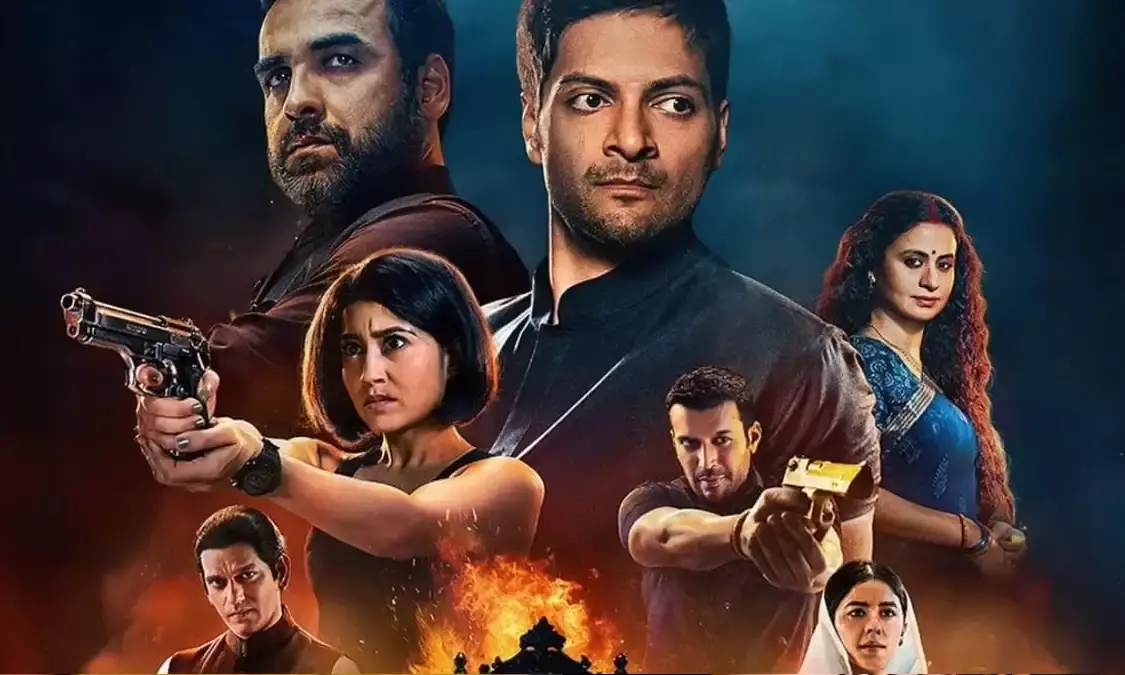
Mirzapur Season 4 Review: A Thrilling Continuation with Deepening Complexity
 |
Mirzapur has captivated audiences since its debut, and Season 4 continues the legacy of intense drama, intricate plotting, and powerful performances. This latest installment delves deeper into the dark underbelly of Mirzapur, exploring themes of power, revenge, and morality with a renewed vigor.
Plot and Storyline
Season 4 picks up where the explosive events of the previous season left off. The power struggle intensifies, with Guddu Pandit (Ali Fazal) and Golu Gupta (Shweta Tripathi Sharma) consolidating their hold over Mirzapur while facing new and formidable adversaries. The show introduces fresh characters and subplots, weaving them seamlessly into the existing narrative fabric. Each episode is a blend of suspense and action, keeping viewers on the edge of their seats.
Performances
Ali Fazal delivers a stellar performance, embodying Guddu's transformation from a vengeance-driven individual to a more calculated and strategic leader. Shweta Tripathi Sharma's portrayal of Golu is equally compelling, showcasing her evolution into a formidable power player. Pankaj Tripathi as Kaleen Bhaiya continues to be a highlight, bringing depth and nuance to his role. The supporting cast, including new entrants, add richness and complexity to the storyline.
Direction and Cinematography
The direction in Season 4 is top-notch, maintaining the gritty and raw aesthetic that Mirzapur is known for. The directors skillfully balance the show's violent elements with moments of quiet introspection, providing a well-rounded viewing experience. Cinematographically, the series excels, with visually stunning shots that enhance the storytelling and immerse the audience in the world of Mirzapur.
Writing and Dialogue
The writing in Season 4 stands out for its sharpness and depth. The dialogues are impactful, often laced with dark humor and profound insights into the characters' psyches. The narrative is well-paced, with each episode building up to a crescendo that leaves viewers eagerly anticipating the next.
Music and Soundtrack
The soundtrack of Mirzapur Season 4 complements the intense atmosphere of the series. The background score is effective in heightening tension and accentuating emotional beats. The choice of music aligns perfectly with the show's tone, adding another layer to the overall experience.
Themes and Symbolism
Season 4 delves into themes of power, loyalty, and the cost of ambition. It explores the moral ambiguities faced by its characters, portraying their struggles with remarkable sensitivity. The symbolism throughout the season enriches the narrative, offering deeper meanings and reflections on the human condition.
Conclusion
Mirzapur Season 4 is a compelling continuation of the series, delivering on all fronts—story, performances, direction, and music. It raises the stakes, deepens the characters, and keeps the audience hooked from start to finish. Whether you are a long-time fan or new to the series, Season 4 is a must-watch, reaffirming Mirzapur's place as a standout in the realm of Indian web series.
Sunday, June 30, 2024
আইফোন এক্সপার্ট - গ্লোডেন শান
অনেক দিন আইফোনের দুবাই ,আমেরিকান ভার্সন নিয়ে কাজ করেন Golden Shan এর কর্ণধার Shan। এখন তিনি অনেকটা হাতে নিয়ে বলে দিতে পারেন ফোনের বর্তমান কন্ডিশন, এ যেন এক ম্যাজিক। তিনি কথা বললেন সেকেন্ড হ্যান্ড কেনার বিভিন্ন বিবেচনার দিক সম্পর্কে

আইফোন কেনার সময় কিছু গুরুত্বপূর্ণ বিষয় খেয়াল রাখা উচিত, যাতে আপনি ভাল মানের ফোন কিনতে পারেন এবং ভবিষ্যতে কোন সমস্যার সম্মুখীন না হন।
ফোনের অবস্থা:
- বাহ্যিক অবস্থা: স্ক্র্যাচ, ডেন্ট বা ক্র্যাক আছে কিনা।
- স্ক্রিন ও টাচ: স্ক্রিনে কোন সমস্যা নেই এবং টাচ সঠিকভাবে কাজ করছে কিনা।
- বাটন ও পোর্ট: সব বাটন এবং পোর্ট সঠিকভাবে কাজ করছে কিনা।
ব্যাটারি স্বাস্থ্য:
- আইফোনের ব্যাটারির স্বাস্থ্য (Battery Health) চেক করা উচিত। সেটিংসে গিয়ে Battery Health অপশনে দেখে নিন ব্যাটারির সক্ষমতা কত শতাংশ আছে।
আইক্লাউড লক:
- ফোনটি আইক্লাউড লক করা আছে কিনা নিশ্চিত হন। আইক্লাউড লক থাকলে, আপনি ফোনটি ব্যবহার করতে পারবেন না।
IMEI ও সিরিয়াল নম্বর:
- ফোনের IMEI ও সিরিয়াল নম্বর যাচাই করুন। এটি আসল কিনা এবং ফোনটি চুরি হয়নি কিনা তা নিশ্চিত করতে সহায়ক।
ফিচার ও ফাংশনালিটি:
- ক্যামেরা, স্পিকার, মাইক্রোফোন, সেন্সর ইত্যাদি সঠিকভাবে কাজ করছে কিনা পরীক্ষা করুন।
কভারেজ ও ওয়ারেন্টি:
- ওয়ারেন্টি বা কভারেজ রয়েছে কিনা তা দেখে নিন। যদি থাকে তবে সেটি কতদিন বাকি রয়েছে তা যাচাই করুন।
মূল্য ও বাজার মূল্য:
- ফোনের বর্তমান বাজার মূল্য যাচাই করুন এবং সেই অনুযায়ী দাম নির্ধারণ করুন।
ফোনের স্টোরেজ ও মডেল:
- ফোনের স্টোরেজ এবং মডেলটি আপনার প্রয়োজন অনুযায়ী কিনা তা নিশ্চিত করুন।
এই বিষয়গুলো খেয়াল রেখে পুরাতন আইফোন কেনা হলে, আপনি একটি ভাল মানের ফোন পেতে পারেন।
Tuesday, June 18, 2024
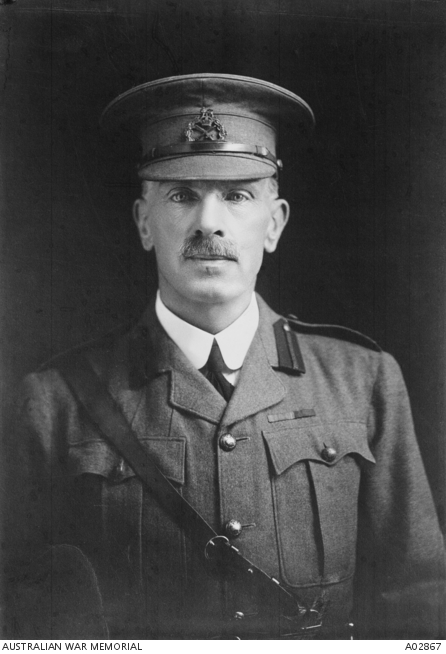
Major-General Sir William Throsby Bridges: A Biography
#### Early Life
- **Birth and Family**: William Throsby Bridges was born on February 18, 1861, in Greenock, Scotland. He was the son of William Wilson Somerset Bridges, an engineer, and his wife Mary Hill Throsby.
- **Education**: In 1873, the Bridges family emigrated to Australia. William attended Sydney Grammar School before returning to England to study at the Royal Naval School, New Cross, and then at the Royal Military Academy, Woolwich.
#### Early Military Career
- **Commissioning**: Bridges was commissioned into the Royal Artillery in 1879. However, he returned to Australia in 1885 and transferred to the New South Wales Permanent Artillery.
- **Career Progression**: Bridges held various positions, including artillery instructor and staff officer, which showcased his organizational talents and dedication.
#### Contributions to Australian Military
- **Boer War**: During the Second Boer War, Bridges served as a staff officer, earning valuable experience in operations and logistics.
- **Royal Military College, Duntroon**: In 1910, he was appointed as the first commandant of the newly established Royal Military College at Duntroon in Canberra, which aimed to train officers for the Australian Army.
#### World War I
- **Formation of the AIF**: At the outbreak of World War I in 1914, Bridges was given the task of raising and commanding the 1st Australian Division as part of the Australian Imperial Force (AIF).
- **Gallipoli Campaign**: Bridges led his division in the Gallipoli Campaign, one of the most significant and grueling battles faced by Australian forces during the war. The campaign began in April 1915, with the aim of capturing the Dardanelles and providing a sea route to Russia.
#### Death and Legacy
- **Wounding and Death**: On May 15, 1915, during the Gallipoli Campaign, Bridges was severely wounded by a Turkish sniper while inspecting the front lines. Despite immediate medical attention, he succumbed to his injuries on May 18, 1915, aboard a hospital ship.
- **Burial**: Initially buried at sea, Bridges' body was later exhumed and returned to Australia, where he was buried with full military honors at the Royal Military College, Duntroon, the institution he had helped establish.
#### Honors and Recognition
- **Knighthood**: Bridges was posthumously knighted as a Knight Commander of the Order of the Bath (KCB) in recognition of his service and contributions to the Australian military.
- **Legacy**: Major-General Sir William Throsby Bridges is remembered for his crucial role in the formation of the AIF and his leadership during the early stages of World War I. His legacy lives on at the Royal Military College, Duntroon, and in the annals of Australian military history.
#### Personal Life
- **Family**: Bridges married Edith Lilian Francis in 1885, and the couple had seven children. Despite his demanding career, he maintained a close relationship with his family.
### Conclusion
Major-General Sir William Throsby Bridges' career was marked by dedication, strategic insight, and a deep commitment to the development of the Australian military. His leadership during a critical period of World War I and his foundational role at the Royal Military College, Duntroon, have left a lasting impact on Australia's military heritage.
Sunday, June 16, 2024
Igor Netto
Igor Netto was a prominent Soviet footballer who played as a midfielder and served as the captain of the Soviet Union national football team during the 1950s and early 1960s. He is widely regarded as one of the greatest footballers in Soviet history and made significant contributions both domestically and internationally. Here are some key highlights of Igor Netto's career:
Early Career: Igor Netto was born on January 9, 1930, in Moscow, Soviet Union. He began his football career playing for FC Spartak Moscow, one of the most successful clubs in Soviet football history.
International Career: Netto made his debut for the Soviet Union national team in the early 1950s and quickly established himself as a key player. Known for his exceptional vision, passing ability, and leadership on the field, he became the team's captain and led them to numerous successes.
Achievements: One of Netto's crowning achievements was leading the Soviet Union to the final of the inaugural UEFA European Championship in 1960. Although they lost to Yugoslavia in the final, Netto's leadership and midfield prowess were crucial throughout the tournament.
Club Success: At the club level, Netto enjoyed a highly successful career with FC Spartak Moscow, winning multiple Soviet Top League titles and Soviet Cups. He spent his entire club career with Spartak Moscow, making over 400 appearances for the club.
Legacy: Igor Netto is remembered not only for his skillful play but also for his integrity and sportsmanship. He was known as a fair and respected player both domestically and internationally, earning admiration from fans and fellow professionals alike.
Later Years: After retiring from playing, Netto remained involved in football as a coach and administrator. He continued to be a prominent figure in Soviet and Russian football until his passing on March 30, 1999.
Igor Netto's influence on Soviet football and his legacy as one of its greatest midfielders remain significant to this day, reflecting his lasting impact on the sport in the region.
Sherlock Holmes & The Adventure of The Gloria Scott: A Tale of Friendship and Treachery
Sherlock Holmes is a name synonymous with unparalleled intellect and impeccable detective skills. In "The Adventure of The Gloria Scott," Sir Arthur Conan Doyle takes us back to a time before Holmes became the world-renowned detective, offering a glimpse into his formative years and his first encounter with the criminal underworld.

Subscribe to:
Comments (Atom)
-
 অনেক দিন আইফোনের দুবাই ,আমেরিকান ভার্সন নিয়ে কাজ করেন Golden Shan এর কর্ণধার Shan। এখন তিনি অনেকটা হাতে নিয়ে বলে দিতে পারেন ফোনের বর্তমা...
 -
 সমুদ্রের সমার্থক শব্দ জলধর, জলনিধি, জয়েন্দ্র, জলেন্দ্র, সাগর, সৈকত , সায়ব, সিন্ধু, দরিয়া, জলেশ্বর, নীলকান্ত, নীধরি, পয়োধি, ...