Thursday, October 31, 2024

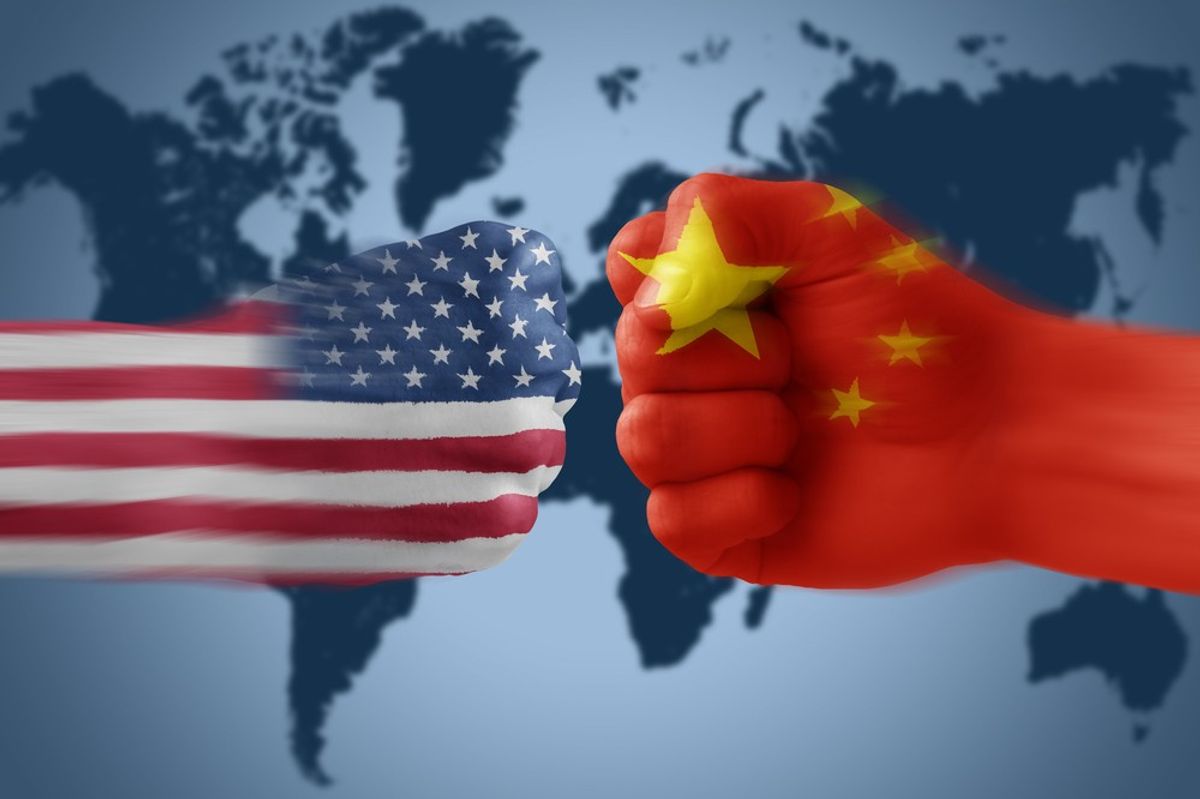
The military capabilities of the United States and China differ significantly in technology, scale, experience, and strategic focus. Here’s a breakdown comparing key areas of military power


 The military capabilities of the United States and China differ significantly in technology, scale, experience, and strategic focus. Here’s a breakdown comparing key areas of military power:

1. Military Budget

  • United States: The U.S. has the world’s largest military budget, with defense spending around $800 billion annually. This budget supports global bases, advanced technology, and large-scale R&D.
  • China: China’s military budget is the second largest, at approximately $230 billion. While lower than the U.S., it has increased significantly over recent decades, focusing primarily on regional dominance and technological improvements.

2. Active Personnel

  • United States: The U.S. has around 1.4 million active personnel and a strong reserve component. The U.S. military is smaller in size but heavily trained and highly mobile, with significant global presence.
  • China: China has the world’s largest standing military, with around 2 million active personnel. China has focused on modernizing and professionalizing its forces, though its personnel are primarily concentrated within or near China.

3. Navy Power

  • United States: The U.S. Navy has around 11 aircraft carriers and over 80 destroyers, with highly advanced submarines, including nuclear-powered vessels. The U.S. Navy is also very experienced in long-distance, overseas operations, with major fleets stationed globally.
  • China: China has the largest number of ships by count, focusing on the South China Sea and regional waters. It has two aircraft carriers (and a third in development) and rapidly developing submarine capabilities, though its carriers are less technologically advanced than the U.S.'s nuclear-powered ones.

4. Air Force Power

  • United States: The U.S. has around 13,000 military aircraft, including advanced fighter jets like the F-35 and F-22, along with a large fleet of bombers, drones, and advanced radar systems. The U.S. Air Force and Navy’s air component are globally dominant in terms of both quality and experience.
  • China: China has roughly 3,000 military aircraft, including the J-20 stealth fighter and other indigenous designs. While China’s air force is improving rapidly, particularly with a focus on stealth and drone technology, it is generally viewed as less technologically advanced than the U.S.'s air capabilities.

5. Nuclear Arsenal

  • United States: The U.S. has an estimated 3,700 nuclear warheads, with a sophisticated delivery triad that includes intercontinental ballistic missiles (ICBMs), submarine-launched ballistic missiles (SLBMs), and strategic bombers. This capability serves as a strong deterrent.
  • China: China has around 400 nuclear warheads and a “no-first-use” policy. Its delivery systems include ICBMs, SLBMs, and aircraft, though it lacks the same extensive nuclear triad as the U.S. China has been gradually expanding and modernizing its nuclear stockpile.

6. Cyber Warfare and Space Capabilities

  • United States: The U.S. has invested significantly in both offensive and defensive cyber capabilities and space infrastructure, including a dedicated Space Force. The U.S. is highly advanced in satellite technology, space-based defense, and cyber warfare.
  • China: China also invests heavily in cyber warfare and space, with an emphasis on anti-satellite (ASAT) weapons and satellite networks. China’s space program has rapidly advanced, with its own global navigation system (BeiDou) and plans to expand its space station.

7. Experience and Global Reach

  • United States: The U.S. military has decades of experience in combat operations and power projection globally, with bases in over 70 countries. This gives the U.S. unique strategic reach and logistical capacity to operate anywhere.
  • China: China’s military experience is mostly regional, focusing on East Asia and territorial disputes. Its overseas reach is limited, with only a few overseas military bases, although it has been increasing operations in the Indian Ocean and Africa.

8. Technology and Innovation

  • United States: The U.S. leads in cutting-edge technologies such as stealth, precision weaponry, artificial intelligence, and advanced radar. U.S. R&D is extensive, fostering continuous innovation in military tech.
  • China: China is rapidly closing the technology gap, particularly in areas like AI, hypersonics, and cyber. However, it is still generally behind the U.S. in high-end military tech, though it continues to narrow this gap.

Summary

  • Strengths of the U.S. Military: Advanced technology, extensive global reach, highly trained personnel, and nuclear deterrence capabilities.
  • Strengths of the Chinese Military: Large numbers, regional strength, growing technological capabilities, and significant investment in cyber and space defense.

While China has a strong regional presence and rapidly advancing technology, the U.S. maintains a qualitative and experiential edge, particularly in global force projection, technology, and nuclear deterrence. China’s strategy focuses on regional dominance and deterrence, while the U.S. leverages global reach and advanced capabilities.

The possibility of a military conflict between China and the U.S


The possibility of a military conflict between China and the U.S. is a complex topic with many variables, influenced by geopolitical interests, economic interdependence, and ongoing regional tensions, particularly in the Asia-Pacific. Here are some important factors often considered in analyses on this subject:

  1. Economic Interdependence: The U.S. and China are highly economically interdependent, with each country being a significant trading partner to the other. This interconnectedness raises the stakes of any conflict, as it would result in massive economic losses on both sides and globally. This factor often acts as a deterrent to war.

  2. Taiwan Strait Tensions: Taiwan remains one of the most sensitive and potentially explosive issues. China considers Taiwan a part of its territory and has not ruled out the use of force to achieve reunification. The U.S. supports Taiwan's self-defense capabilities, and a conflict over Taiwan could draw in the U.S., especially given its commitments under the Taiwan Relations Act.

  3. Military Build-Up and Technological Competition: Both countries have been modernizing their militaries and advancing in areas like cybersecurity, AI, and missile technology. This arms race could heighten mistrust and fuel a security dilemma, where each side perceives the other's military advancements as a direct threat.

  4. South China Sea Disputes: China's claims over the South China Sea and its militarization of islands in the area have led to conflicts with neighboring countries and increased U.S. naval presence to ensure freedom of navigation. Though currently a standoff, these interactions increase the risk of accidental confrontations.

  5. Strategic Deterrence and Diplomacy: Both nations have nuclear capabilities, which has a deterrent effect. Diplomacy between the two countries—despite tensions—continues to play a role in managing competition and preventing escalation. High-level diplomatic channels, like those between military leaders, help avoid misunderstandings that could lead to conflict.

  6. Global Alliances and Influence: Both nations are competing for global influence, with the U.S. having a network of alliances in the Indo-Pacific, including Japan, South Korea, and Australia, while China seeks closer ties with countries through initiatives like the Belt and Road. Alliances can complicate the dynamics and either deter or entangle the U.S. and China in regional issues.

While tensions are high, many experts believe that a direct military conflict is still unlikely due to the severe consequences it would have. Instead, competition may remain in economic, technological, and diplomatic spheres, with efforts from both sides to avoid a full-scale war.

Wednesday, September 11, 2024

Watch the first 2024 presidential debate between Harris and Trump


Vice President Kamala Harris and former President Donald Trump met for the first time in person for their first presidential debate together in Philadelphia. They sparred over topics including inflation, foreign wars, immigration and abortion rights. » Subscribe to NBC News:    / nbcnews   NBC News Digital is a collection of innovative and powerful news brands that deliver compelling, diverse and engaging news stories. NBC News Digital features NBCNews.com, MSNBC.com, TODAY.com, Nightly News, Meet the Press, Dateline, and the existing apps and digital extensions of these respective properties. We deliver the best in breaking news, live video coverage, original journalism and segments from your favorite NBC News Shows.
Friday, August 30, 2024

Mao Zedong ideology


Mao Zedong, often romanized as "Mao Tse-tung," was a Chinese communist revolutionary and the founding father of the People's Republic of China. His ideology, known as Maoism, combines Marxist-Leninist principles with his unique revolutionary and nationalist ideas. Key components of Mao's ideology include: Peasant-Based Revolution: Unlike classical Marxism, which emphasized the role of the urban proletariat in revolution, Mao believed that the rural peasantry in China was the primary revolutionary force. He argued that the peasants, who made up the majority of China's population, had the potential to overthrow the existing feudal and semi-colonial system. People's War and Guerrilla Warfare: Mao advocated for the use of guerrilla warfare as a means of achieving revolutionary goals. He believed that a small, committed revolutionary force could use tactics like ambushes and sabotage to weaken a more powerful enemy, gradually gaining popular support and expanding into a full-scale army. Mass Line: This principle involved the revolutionary leadership maintaining close ties with the masses, learning from them, and then shaping policies that reflected their needs. It was a way to ensure that the Communist Party remained connected to the people and responsive to their conditions. Continuous Revolution and Cultural Revolution: Mao emphasized the need for continuous revolution to prevent the emergence of a bureaucratic elite. The Great Proletarian Cultural Revolution (1966-1976) was an effort to root out capitalist and traditional elements from Chinese society, even within the Communist Party itself. This involved mobilizing youth (Red Guards) to challenge authority figures and established norms. Self-Reliance: Mao promoted the idea of self-reliance both for individuals and for the nation. He encouraged local communities to be economically self-sufficient and opposed dependence on foreign powers. New Democracy: Mao proposed a transitional stage called "New Democracy," where a coalition of classes (workers, peasants, petty bourgeoisie, and national bourgeoisie) would cooperate under the leadership of the Communist Party. This would eventually pave the way for the development of socialism. Anti-Imperialism: Maoism was strongly anti-imperialist, focusing on resisting foreign domination and influence. Mao saw China as a leading force in the global struggle against imperialism and colonialism. Mao's ideology had a profound impact on China's political and social structure and influenced communist movements worldwide, especially in developing countries. However, his policies also led to significant human suffering, including the Great Leap Forward and the Cultural Revolution, which resulted in widespread famine, persecution, and social upheaval.

Sunday, July 14, 2024

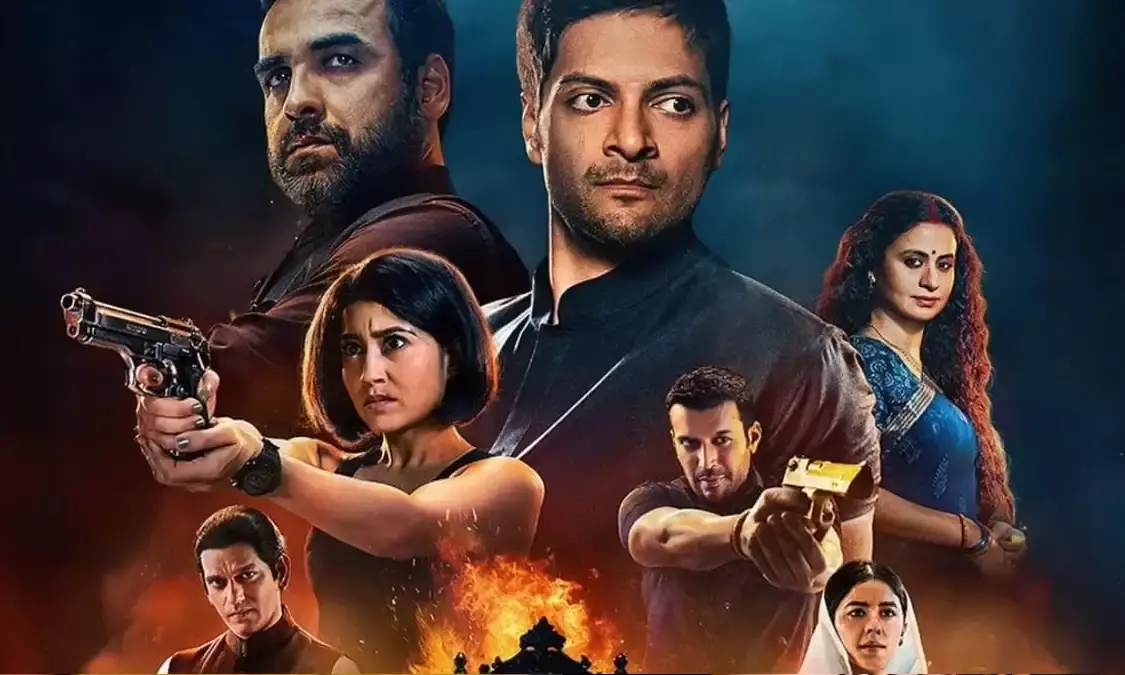
Mirzapur Season 4 Review: A Thrilling Continuation with Deepening Complexity


Mirzapur has captivated audiences since its debut, and Season 4 continues the legacy of intense drama, intricate plotting, and powerful performances. This latest installment delves deeper into the dark underbelly of Mirzapur, exploring themes of power, revenge, and morality with a renewed vigor.

Plot and Storyline

Season 4 picks up where the explosive events of the previous season left off. The power struggle intensifies, with Guddu Pandit (Ali Fazal) and Golu Gupta (Shweta Tripathi Sharma) consolidating their hold over Mirzapur while facing new and formidable adversaries. The show introduces fresh characters and subplots, weaving them seamlessly into the existing narrative fabric. Each episode is a blend of suspense and action, keeping viewers on the edge of their seats.

Performances

Ali Fazal delivers a stellar performance, embodying Guddu's transformation from a vengeance-driven individual to a more calculated and strategic leader. Shweta Tripathi Sharma's portrayal of Golu is equally compelling, showcasing her evolution into a formidable power player. Pankaj Tripathi as Kaleen Bhaiya continues to be a highlight, bringing depth and nuance to his role. The supporting cast, including new entrants, add richness and complexity to the storyline.

Direction and Cinematography

The direction in Season 4 is top-notch, maintaining the gritty and raw aesthetic that Mirzapur is known for. The directors skillfully balance the show's violent elements with moments of quiet introspection, providing a well-rounded viewing experience. Cinematographically, the series excels, with visually stunning shots that enhance the storytelling and immerse the audience in the world of Mirzapur.

Writing and Dialogue

The writing in Season 4 stands out for its sharpness and depth. The dialogues are impactful, often laced with dark humor and profound insights into the characters' psyches. The narrative is well-paced, with each episode building up to a crescendo that leaves viewers eagerly anticipating the next.

Music and Soundtrack

The soundtrack of Mirzapur Season 4 complements the intense atmosphere of the series. The background score is effective in heightening tension and accentuating emotional beats. The choice of music aligns perfectly with the show's tone, adding another layer to the overall experience.

Themes and Symbolism

Season 4 delves into themes of power, loyalty, and the cost of ambition. It explores the moral ambiguities faced by its characters, portraying their struggles with remarkable sensitivity. The symbolism throughout the season enriches the narrative, offering deeper meanings and reflections on the human condition.

Conclusion

Mirzapur Season 4 is a compelling continuation of the series, delivering on all fronts—story, performances, direction, and music. It raises the stakes, deepens the characters, and keeps the audience hooked from start to finish. Whether you are a long-time fan or new to the series, Season 4 is a must-watch, reaffirming Mirzapur's place as a standout in the realm of Indian web series.

Harry Potter

 The Dark Lord Ascending T he two men appeared out of nowhere, a few yards apart in the narrow, moonlit lane. For a second they stood quite ...