Thursday, May 2, 2024

chloropicrin facts

 Chloropicrin, also known by its chemical name trichloronitromethane or nitrochloroform, is a chemical compound with the formula CCl3NO2. It is a dense, colorless to pale yellow liquid with a sharp, pungent odor similar to that of tear gas. This characteristic odor makes it useful as a warning agent for detecting leaks in gas pipelines.



The molecular structure of chloropicrin consists of a central carbon atom bonded to three chlorine atoms and one nitro group (NO2). This arrangement gives chloropicrin its unique chemical properties, including its reactivity and toxicity.

Historical Uses

Chloropicrin has a long history of use, dating back to the early 20th century. It was first synthesized in 1848 by the German chemist Justus von Liebig but gained prominence later for its applications in warfare and agriculture.

Warfare

During World War I, chloropicrin was employed as a chemical weapon due to its irritating effects on the respiratory system and eyes. It was often used in combination with other chemical agents, such as phosgene and mustard gas, to enhance its toxic effects on enemy troops. However, its use as a chemical weapon diminished after the war due to international agreements banning the use of chemical warfare agents.

Agriculture

One of the most significant historical uses of chloropicrin has been in agriculture as a soil fumigant. Farmers and agricultural workers used chloropicrin to control pests, nematodes, fungi, and other pathogens in soil before planting crops. Its ability to penetrate soil and target a wide range of pests made it a valuable tool in agricultural practices.

Modern Applications

While chloropicrin's use as a chemical weapon has declined, its importance in agriculture persists. Modern agricultural practices rely on chloropicrin for soil fumigation to ensure crop health and yield. However, its use is highly regulated due to environmental and health concerns. Additionally, chloropicrin finds applications in other industries:

Soil Fumigation

In agriculture, chloropicrin is used primarily as a pre-plant soil fumigant. It helps control soil-borne pathogens, nematodes, weeds, and other pests that can damage crops. Farmers apply chloropicrin before planting to create a healthier growing environment and improve crop yields.

Warning Agent

Chloropicrin's strong odor makes it an effective warning agent in industrial settings. It is added to natural gas and other gases to detect leaks and ensure worker safety. Even at low concentrations, its odor is detectable, alerting workers to potential hazards.

Chemical Intermediates

Chloropicrin serves as a precursor in the synthesis of other chemicals and pharmaceuticals. Its unique chemical structure allows for various reactions, leading to the production of diverse compounds used in industry and research.

Environmental Impact

The widespread use of chloropicrin, particularly in agriculture, raises concerns about its environmental impact. Here are key considerations regarding its effects on the environment:

Soil and Water Contamination

Improper handling or disposal of chloropicrin can lead to soil and water contamination. It is crucial for users to follow strict guidelines and regulations to minimize environmental pollution.

Toxicity to Non-Target Organisms

Chloropicrin is toxic to a wide range of organisms, including beneficial soil microbes, insects, and small animals. Its use requires careful management to minimize harm to non-target species and ecosystems.

Air Quality

Chloropicrin can contribute to air pollution if released into the atmosphere. Proper containment and emission control measures are essential to prevent its dispersion and potential health hazards.

Safety Considerations

Due to its toxicity and potential health risks, handling chloropicrin requires strict adherence to safety protocols and regulations. Here are key safety considerations:

Protective Gear

Workers handling chloropicrin must wear appropriate personal protective equipment (PPE), including gloves, goggles, respiratory masks, and protective clothing.

Ventilation

Areas where chloropicrin is used or stored must have adequate ventilation to prevent the buildup of vapors, which can be harmful if inhaled.

Training and Awareness

Proper training and awareness programs are crucial for individuals working with chloropicrin. They should understand its hazards, safe handling procedures, emergency response protocols, and regulatory requirements.

Regulatory Compliance

Users must comply with local, national, and international regulations governing the use, storage, transport, and disposal of chloropicrin. Regulatory agencies set limits on exposure levels and provide guidelines for risk mitigation.

Conclusion

Chloropicrin is a versatile chemical compound with a complex history and diverse applications. From its origins as a chemical weapon to its modern use in agriculture and industry, chloropicrin's properties make it valuable yet challenging to manage safely. Environmental concerns, regulatory oversight, and safety precautions play critical roles in ensuring its responsible use and minimizing potential risks to human health and the environment.


Monday, March 18, 2024

A brief history of time illustrated

 "A Brief History of Time" is a groundbreaking book written by renowned physicist Stephen Hawking, first published in 1988. It aims to explain complex scientific concepts such as cosmology, the Big Bang theory, black holes, and the nature of time to a general audience.


The book begins with an overview of the history of ideas about the universe, from Aristotle and Ptolemy to Galileo and Newton. It then delves into modern cosmology, exploring Einstein's theory of relativity and its implications for understanding the structure and behavior of the universe.

Hawking discusses the Big Bang theory, which proposes that the universe originated from a singular point of infinite density and temperature around 13.8 billion years ago. He explains how the universe has been expanding and evolving ever since, leading to the formation of galaxies, stars, and planets.

One of the most fascinating aspects of the book is its exploration of black holes, regions of space where gravity is so intense that nothing, not even light, can escape. Hawking describes how black holes are formed, how they behave, and the profound implications they have for our understanding of the universe.

Throughout the book, Hawking engages with profound questions about the nature of time and the universe, such as whether time has a beginning and an end, and whether the universe will eventually collapse back on itself or continue expanding indefinitely.

"A Brief History of Time" became an instant bestseller and has since sold millions of copies worldwide. Its accessible yet profound exploration of the mysteries of the universe has made it a classic of popular science literature, inspiring readers to contemplate the nature of existence and our place in the cosmos.

a brief history of time,brief history of time,a brief history of time book,a brief history of time summary,history,a brief history of time (book),a brief history of time book summary,a brief history of time by stephen hawking,history of time,a brief story of time,brief history of time lords,brief history of timekeeping,hardcover a brief history of time,a brief history of time book review,brief,a brief history of time illustrated,theory of everything

Saturday, March 16, 2024

Facts about Antelope


Antelopes are a diverse group of herbivorous mammals belonging to the family Bovidae, characterized by their slender bodies, long legs, and distinctive horns. They are native to various habitats across Africa, Asia, and parts of the Americas. From the graceful springbok to the majestic impala, antelopes exhibit a remarkable array of adaptations that enable them to thrive in diverse environments.


Physically, antelopes vary widely in size, coloration, and horn structure. Some species, like the diminutive dik-dik, stand only a foot tall at the shoulder, while others, such as the eland, can reach heights of over six feet. Their coats display an assortment of patterns and hues, ranging from the sandy tones of the oryx to the striking black and white markings of the sable antelope. The horns of antelopes also come in an assortment of shapes and sizes, from the elegant spirals of the kudu to the straight, sharp-tipped horns of the impala.

One of the most notable features of antelopes is their speed and agility. Many species are capable of running at high speeds over long distances, making them well-equipped to evade predators such as lions, cheetahs, and hyenas. Their long, slender legs and lightweight bodies allow them to cover vast stretches of terrain with ease, while their keen senses of sight, smell, and hearing help them detect danger from afar.

Antelopes are primarily herbivores, feeding on a diet of grasses, leaves, and other vegetation. Their specialized digestive systems enable them to extract nutrients from tough, fibrous plant material, allowing them to thrive in regions where food resources may be scarce. Some species, like the springbok, are known for their ability to survive in arid environments by obtaining water from the plants they consume or from dew collected on their fur.

These animals are also highly social, often forming herds that range in size from a few individuals to several hundred. Within these herds, individuals engage in complex social behaviors such as grooming, playing, and establishing dominance hierarchies. Mating rituals vary among species but often involve elaborate displays of strength and agility by males competing for the attention of females.

Despite their adaptability and resilience, antelopes face numerous threats to their survival. Habitat loss, caused by human encroachment and agricultural expansion, has led to the fragmentation and destruction of their natural habitats. Poaching for their horns and hides also poses a significant threat to many species, particularly those with large, impressive horns prized as trophies or traditional medicine.

Conservation efforts aimed at protecting antelope species and their habitats are underway across their range. National parks and reserves provide crucial refuges for these animals, offering sanctuary from human activities and preserving vital ecosystems. Additionally, initiatives to combat poaching and illegal wildlife trade are helping to reduce the pressures facing antelope populations.

In conclusion, antelopes are a diverse and fascinating group of mammals, adapted to thrive in a wide range of habitats across the globe. From the sweeping plains of Africa to the rugged mountains of Asia, these graceful creatures exemplify the beauty and resilience of the natural world. However, their survival is increasingly threatened by human activities, underscoring the importance of conservation efforts to ensure their continued existence for generations to come.


antelope,antelope hunting,antelope vs cheetah,cheetah vs antelope,pronghorn antelope,antelopes,antelope running,antelope jumping,springbok antelope,african antelopes,biggest antelope,sable antelope,facts about antelope,all antelopes,springboks antelopes vs cheetahs,antelope sound,list of antelopes,top antelope,the antelope,antelope noises,antelope sounds,antelope gun,antelopes in world,types of antelopes,kinds of antelopes,antelopes habitat

Tuesday, March 5, 2024

facebook not working


On a seemingly ordinary day, the digital world was shaken by an unexpected event that brought one of its giants to its knees. Facebook, the social media behemoth that connects billions of people across the globe, experienced a catastrophic server outage. What began as a routine scroll through timelines and updates swiftly turned into an unprecedented digital blackout. For hours, users were met with error messages, blank screens, and a sense of disconnection from the virtual realm they had grown accustomed to. The outage didn't just disrupt social networking; it disrupted routines, businesses, and even sparked conversations about the extent of our dependence on technology.


The Digital Downturn:


As the outage unfolded, users across various platforms took to Twitter, Reddit, and other social media outlets to express their confusion, frustration, and even amusement. Memes and jokes flooded timelines, providing a brief moment of levity amidst the chaos. However, beneath the surface, there was a palpable sense of unease. Facebook, along with its family of apps including Instagram and WhatsApp, had become deeply ingrained in the daily lives of billions of people. From staying connected with friends and family to conducting business and accessing news, its absence left a void that was difficult to ignore.


The Ripple Effect:


The impact of the outage extended far beyond individual users. Businesses that relied on Facebook for marketing and communication found themselves scrambling to adapt to the sudden disruption. E-commerce platforms, influencers, and content creators saw their reach and revenue streams dwindle as their primary means of reaching audiences vanished. For some, the outage served as a stark reminder of the risks associated with relying too heavily on a single platform for livelihood and communication.


The Anatomy of a Blackout:


While Facebook remained relatively tight-lipped about the specifics of the outage, speculation ran rampant. Some attributed it to technical glitches, while others speculated about cyberattacks or internal issues. Regardless of the cause, the outage underscored the fragility of the digital infrastructure that underpins our interconnected world. It served as a wake-up call for both users and tech companies alike, highlighting the need for robust backup systems and contingency plans to mitigate the impact of such events in the future.


The Human Element:


Beyond the technical intricacies, the outage prompted reflection on the human element of social media. In an age where virtual interactions often take precedence over face-to-face communication, the outage forced many to confront the reality of their digital dependencies. Questions arose about the nature of online relationships, the authenticity of virtual experiences, and the role of social media in shaping our perceptions of the world. For some, the forced hiatus from constant connectivity served as a welcome reprieve, offering an opportunity to reevaluate priorities and rediscover the value of offline interactions.


Looking Ahead:


As Facebook gradually restored service and normalcy resumed, the outage left a lasting impression on users and observers alike. It served as a reminder of the profound influence that technology wields over our lives and the need for balance in our digital diet. While social media undoubtedly plays a valuable role in fostering connections and facilitating communication, it is essential to approach it mindfully and critically. As we navigate an increasingly interconnected world, we must remain vigilant to the risks and vulnerabilities inherent in our reliance on technology.


In the aftermath of the outage, conversations about digital resilience, data privacy, and the ethics of tech dominance gained renewed urgency. It is clear that the events of that fateful day will leave a lasting imprint on the collective consciousness, serving as a cautionary tale for generations to come. The great Facebook server outage of [insert date] may have brought the digital world to a standstill, but it also sparked a wave of reflection, dialogue, and ultimately, resilience in the face of uncertainty.

Monday, February 26, 2024

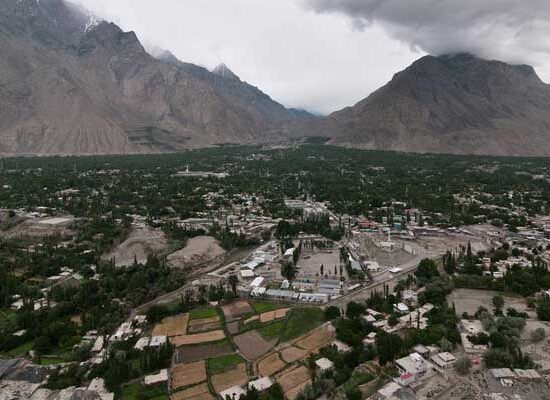
Gandhara Valley


The Gandhara Valley, situated at the confluence of the Kabul and Swat rivers in present-day Pakistan and Afghanistan, holds immense significance in the realms of art, culture, and history. It served as a crucible of civilization and a melting pot of diverse cultures, witnessing the convergence of Indian, Persian, Greek, and Central Asian influences. This region flourished as a vibrant center of Buddhist art and learning, leaving behind a rich legacy that continues to captivate scholars and enthusiasts alike.


The history of Gandhara can be traced back to ancient times, with evidence of human habitation dating as far back as the Neolithic period. However, it was during the Gandhara period, roughly spanning from the 4th century BCE to the 5th century CE, that the region truly flourished as a cultural and artistic hub. The term "Gandhara" is believed to have originated from the Sanskrit word "gandhāra," which refers to the fragrant resin of the sal tree, abundant in the region.

One of the defining features of Gandhara was its strategic location along the ancient Silk Road, the network of trade routes connecting the East and West. This facilitated the exchange of goods, ideas, and cultures between civilizations spanning from China to the Mediterranean. As a result, Gandhara became a melting pot of diverse influences, with Greek, Persian, Indian, and Central Asian elements blending seamlessly to create a unique cultural tapestry.

The advent of Buddhism played a pivotal role in shaping the cultural landscape of Gandhara. It is believed that Buddhism was introduced to the region during the reign of Emperor Ashoka in the 3rd century BCE. Gandhara soon emerged as a major center of Buddhist learning and pilgrimage, attracting scholars, monks, and devotees from far and wide. Monastic establishments such as Takht-i-Bahi and Butkara Stupa served as centers of learning and spiritual practice, fostering the growth of Buddhist art and philosophy.

The artistic legacy of Gandhara is perhaps best exemplified by its iconic Gandharan art, characterized by a unique blend of Hellenistic and Indian styles. This distinctive artistic tradition emerged as a result of the cultural exchange between the Greek settlers of Alexander the Great's army and the indigenous Indian population. Gandharan art is renowned for its exquisite sculptures, particularly those depicting the life of the Buddha and Buddhist deities.

The Gandharan sculptures are characterized by their realism and attention to detail, reflecting the influence of Greek sculptural techniques. The Buddha statues, in particular, exhibit a sense of serenity and grace, with finely carved features and flowing robes. These sculptures served not only as objects of devotion but also as expressions of the profound spiritual ideals espoused by Buddhism.

One of the most iconic examples of Gandharan art is the Buddha of Gandhara, a monumental statue believed to date back to the 2nd century CE. Carved from gray schist stone, the statue depicts the Buddha in a seated posture, with his hand raised in a gesture of teaching known as the dharmachakra mudra. The serene expression and graceful demeanor of the Buddha embody the essence of Gandharan artistic sensibility.

In addition to sculptures, Gandharan art also encompassed other forms of artistic expression, including relief carvings, architectural ornamentation, and decorative objects. The motifs and iconography employed in Gandharan art were deeply rooted in Buddhist symbolism, reflecting the spiritual beliefs and practices of the time. Lotus flowers, stupas, and scenes from the life of the Buddha were commonly depicted, serving as visual reminders of the path to enlightenment.

The decline of Gandhara as a cultural and artistic center began around the 5th century CE, with the advent of Islamic rule in the region. The spread of Islam led to the gradual decline of Buddhism and the erosion of Gandhara's Buddhist heritage. Many of the monastic establishments and Buddhist sites fell into disrepair, and the once-thriving artistic tradition entered a period of decline.

Despite its decline, the legacy of Gandhara continues to resonate in the modern world. The Gandharan art and artifacts unearthed from archaeological sites have found their way into museums and private collections around the globe, serving as a testament to the region's cultural richness and artistic ingenuity. Scholars continue to study and interpret Gandharan art, shedding new light on its significance and influence on subsequent artistic traditions.

In conclusion, the Gandhara Valley stands as a testament to the enduring power of cultural exchange and artistic innovation. From its origins as a melting pot of diverse influences to its flourishing as a center of Buddhist art and learning, Gandhara has left an indelible mark on the cultural landscape of South Asia and beyond. Its legacy continues to inspire awe and admiration, reminding us of the transformative power of art and the enduring quest for spiritual enlightenment.

Friday, February 23, 2024

Top 5 KGB operations


  1. Operation Trust (1921-1926): This operation was aimed at infiltrating and neutralizing anti-Bolshevik movements by creating a fake anti-Soviet organization to deceive and identify counter-revolutionaries.

  2. Operation Barbarossa (1941): While not solely a KGB operation, Soviet intelligence, including the NKVD (the predecessor of the KGB), provided Stalin with warnings of the impending German invasion. Although Stalin initially disregarded these warnings, the information gathered by Soviet intelligence was crucial for the Soviet defense once the invasion began.

  3. The Cambridge Five (1940s-1950s): This was a successful KGB operation involving the recruitment of five British agents (Kim Philby, Donald Maclean, Guy Burgess, Anthony Blunt, and John Cairncross) who penetrated British intelligence and provided valuable information to the Soviets during the Cold War.

  4. Operation RYAN (1981-1983): This operation involved intensive KGB efforts to collect intelligence on a potential NATO surprise attack on the Soviet Union. It led to heightened tensions between the superpowers but also provided valuable insight into NATO's intentions.

  5. Operation INFEKTION (1980s): This disinformation campaign aimed to spread the idea that the United States had created the HIV/AIDS virus as a biological weapon. While not solely a KGB operation, Soviet intelligence played a significant role in promoting this conspiracy theory, which sowed confusion and mistrust in Western countries.

The Rwanda Genocide

 The Rwanda Genocide, one of the most devastating events in recent history, occurred in 1994 in the African nation of Rwanda. It was a systematic campaign of mass slaughter primarily targeting the Tutsi ethnic group, as well as moderate Hutus and others who opposed the extremist Hutu regime in power at the time.


The roots of the genocide can be traced back to Rwanda's colonial history. During Belgian colonial rule, ethnic distinctions between the Tutsis and Hutus were emphasized, with Tutsis often favored for administrative roles, creating social and economic disparities. Despite these divisions, Rwanda had a shared history of cultural and linguistic ties between the two groups.


After Rwanda gained independence in 1962, political tensions escalated, culminating in outbreaks of violence between the Hutu majority and Tutsi minority. Discrimination against Tutsis continued, and many fled the country, contributing to a cycle of conflict and instability.


In April 1994, the assassination of Rwandan President Juvenal Habyarimana, a Hutu, triggered the genocide. Extremist Hutu factions within the government and military launched a coordinated campaign to exterminate the Tutsi population, using propaganda, hate speech, and radio broadcasts to incite Hutu civilians to participate in the killings.


Over the course of approximately 100 days, an estimated 800,000 to 1 million people, predominantly Tutsis, were brutally murdered. Machetes, clubs, and other crude weapons were used to carry out the killings, often in public places and even within churches and schools where victims sought refuge.


During the genocide, the international community largely failed to intervene effectively to stop the violence, despite mounting evidence of atrocities. The United Nations peacekeeping mission in Rwanda, UNAMIR, was ill-equipped and lacked a clear mandate to protect civilians.


The genocide came to an end in July 1994 when the Rwandan Patriotic Front (RPF), a Tutsi-led rebel group, captured the capital city of Kigali and halted the genocide. The RPF's victory led to the establishment of a new government under President Paul Kagame, a Tutsi.


In the aftermath of the genocide, Rwanda faced immense challenges, including widespread trauma, displacement, and a shattered social fabric. Efforts towards justice and reconciliation have been ongoing, including the establishment of the International Criminal Tribunal for Rwanda (ICTR) to prosecute those responsible for genocide and other atrocities.


Rwanda has made significant strides in rebuilding and development in the years since the genocide, with efforts focused on promoting unity, reconciliation, and economic growth. However, the legacy of the genocide continues to shape Rwandan society and international responses to mass atrocities, serving as a stark reminder of the consequences of ethnic hatred and the importance of preventing such atrocities in the future.

Harry Potter

 The Dark Lord Ascending T he two men appeared out of nowhere, a few yards apart in the narrow, moonlit lane. For a second they stood quite ...