Thursday, February 22, 2024

The Rule of 72

 The Rule of 72 is a simple mathematical shortcut used to estimate the time it takes for an investment to double in value, given a fixed annual rate of return. It's a handy tool for quick mental calculations in finance and investment planning.

Here's how it works:

Divide 72 by the annual rate of return (expressed as a percentage) to get an estimate of the number of years it will take for an investment to double.

Mathematically, the formula can be represented as:

Years to Double=72Annual Rate of Return

For example, if you have an investment with an annual rate of return of 8%, you can estimate that it will take approximately 728=9 years for the investment to double in value.

Similarly, if the annual rate of return is 10%, it would take approximately 7210=7.2 years for the investment to double.

The Rule of 72 provides a quick approximation and works well for interest rates between 6% and 10%. However, it becomes less accurate for significantly higher or lower interest rates. For more precise calculations, especially with variable rates or compounding, it's better to use more sophisticated financial formulas or calculators.


Wednesday, February 21, 2024

Google pixel 8 pro


  1. Display: High-resolution OLED or AMOLED display with a high refresh rate (typically 90Hz or 120Hz) for smooth scrolling and animations.

  2. Camera: Multiple rear cameras with advanced computational photography capabilities, including features like Night Sight for low-light photography, portrait mode, and various AI enhancements for better image quality.

  3. Processor: Latest-generation Qualcomm Snapdragon or Google Tensor processor for improved performance and energy efficiency.

  4. Battery: Large battery capacity with fast charging capabilities and possibly wireless charging support.

  5. Operating System: Running the latest version of Android with exclusive features and optimizations tailored for the Pixel lineup.

  6. Connectivity: Support for 5G connectivity, Wi-Fi 6E, Bluetooth 5.2, NFC, and other standard wireless protocols.

  7. Design: Premium build quality with glass or metal construction, possibly with water and dust resistance (IP68 rating).

  8. Security: Advanced biometric authentication methods like face unlock and in-display fingerprint sensors.

  9. Software Features: Exclusive software features such as Google Assistant enhancements, Pixel-exclusive apps, and software updates directly from Google for timely security patches and new features.

  10. Additional Features: Stereo speakers, Always-on Display, customizable user interface, and possibly improved gaming performance with dedicated optimizations.

Thursday, January 25, 2024

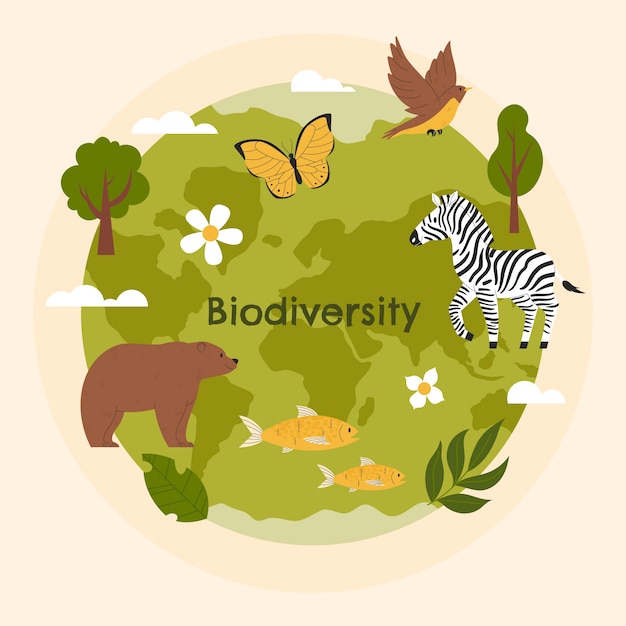
Biodiversity of Finland

Finland is known for its diverse ecosystems, including forests, lakes, and wetlands,     which contribute to its rich biodiversity. The country's flora and fauna have adapted to its varying climate and landscape. Some key points about the biodiversity of Finland include:


Forests: Finland is covered by extensive forests, predominantly composed of coniferous trees such as pine, spruce, and birch. These forests are home to a variety of wildlife, including moose, reindeer, bears, lynx, and various bird species.


Lakes and Wetlands: Finland has thousands of lakes and numerous wetlands. These water bodies support diverse aquatic life, including fish species like perch, pike, and salmon. Wetlands are important habitats for various birds, amphibians, and insects.


Birdlife: Finland is a haven for birdwatchers, with over 400 bird species recorded. The country is home to a variety of waterfowl, raptors, and migratory birds. The Finnish archipelago and coastal areas are particularly important for bird diversity.


Reindeer: The northern regions of Finland are inhabited by the Sámi people, who traditionally herd reindeer. Reindeer are a vital part of the region's biodiversity and cultural heritage.


Endangered Species: Like many countries, Finland faces challenges related to habitat loss, pollution, and climate change, impacting some species. Efforts are made to protect and conserve endangered species, and there are national parks and nature reserves dedicated to preserving natural habitats.


Conservation Efforts: Finland has implemented various conservation measures and sustainable forestry practices to maintain and protect its biodiversity. The government, along with environmental organizations, works to balance economic interests with the need to preserve natural ecosystems.


It's important to note that preserving biodiversity is a global concern, and countries, including Finland, are working towards sustainable practices to ensure the health and diversity of their ecosystems.


Monday, December 4, 2023

Socrates->Plato->Aristotle->Alexander the Great

  1. Socrates: A classical Greek philosopher, Socrates was a key figure in the development of Western philosophy. He is best known for his contributions to ethics and the Socratic method of questioning.

  2. Plato: A student of Socrates, Plato was a philosopher in ancient Greece. He founded the Academy in Athens, where he taught Aristotle. Plato's writings, including dialogues like "The Republic," have had a profound influence on Western philosophy.

  3. Aristotle: A student of Plato, Aristotle was a philosopher and polymath. He made significant contributions to various fields, including ethics, metaphysics, politics, and biology. Aristotle's works have had a lasting impact on Western thought.

  4. Alexander the Great: Also known as Alexander III of Macedon, he was a king of Macedonia and one of the most successful military commanders in history. Alexander conquered a vast empire that stretched from Greece to Egypt and into present-day Pakistan.

Who are the major poets in Victorian age?


  1. Alfred Lord Tennyson: He served as the Poet Laureate during much of Queen Victoria's reign and wrote iconic works like "The Charge of the Light Brigade" and "In Memoriam."

  2. Robert Browning: Known for his dramatic monologues, Browning's notable works include "My Last Duchess" and "The Ring and the Book."

  3. Elizabeth Barrett Browning: Renowned for her sonnet sequence "Sonnets from the Portuguese" and her verse novel "Aurora Leigh."

  4. Christina Rossetti: An influential poet, known for works like "Goblin Market" and "In the Bleak Midwinter."

  5. Matthew Arnold: His poems, such as "Dover Beach" and "The Scholar Gipsy," reflect his concerns about the changing times.

  6. Emily Brontë: While best known for her novel "Wuthering Heights," Brontë also wrote poetry, including haunting works like "No Coward Soul Is Mine."

  7. Thomas Hardy: Initially a poet before becoming a novelist, Hardy's poems include "The Darkling Thrush" and "Hap."

  8. Gerard Manley Hopkins: Known for his innovative use of language and rhythm, his notable poems include "Pied Beauty" and "The Windhover."

  9. Algernon Charles Swinburne: A poet and critic, Swinburne's works include "Atalanta in Calydon" and "Poems and Ballads."

  10. Dante Gabriel Rossetti: A founder of the Pre-Raphaelite Brotherhood, his poems include "The Blessed Damozel" and "Goblin Market."

Monday, September 4, 2023

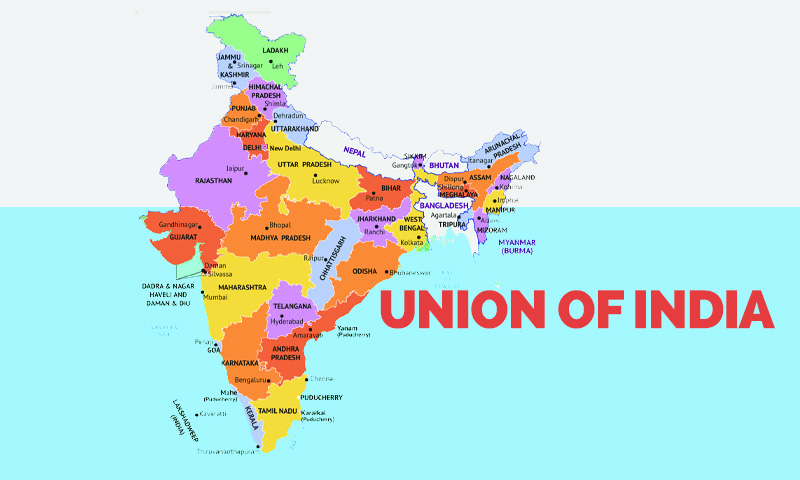
India's union territories

 It appears that you're looking for information related to India's union territories. India is divided into states and union territories, each with its own administrative and governance structure. As of my last knowledge update in September 2021, here is a brief overview of India's union territories:


  1. Andaman and Nicobar Islands: Located in the Bay of Bengal, these islands are a popular tourist destination known for their natural beauty and biodiversity.

  2. Chandigarh: Chandigarh serves as the capital of both Haryana and Punjab. It is one of the planned cities in India and is known for its modern architecture and design.

  3. Dadra and Nagar Haveli and Daman and Diu: These two union territories were merged into one on January 26, 2020. They are located on the western coast of India.

  4. Lakshadweep: This is a group of islands in the Arabian Sea, and it is the smallest union territory in terms of both area and population.

  5. Delhi (National Capital Territory of Delhi): Delhi serves as the national capital of India and is a union territory with its own legislative assembly and government.

  6. Puducherry: Also known as Pondicherry, it is located on the southeastern coast of India. Puducherry consists of four unconnected districts: Puducherry, Karaikal, Mahe, and Yanam.

  7. Ladakh: Ladakh was carved out of the former state of Jammu and Kashmir and became a union territory on October 31, 2019. It is located in the northern part of India and is known for its stunning landscapes.

  8. Ladakh: Ladakh was carved out of the former state of Jammu and Kashmir and became a union territory on October 31, 2019. It is located in the northern part of India and is known for its stunning landscapes.

Harry Potter

 The Dark Lord Ascending T he two men appeared out of nowhere, a few yards apart in the narrow, moonlit lane. For a second they stood quite ...