Thursday, May 30, 2024

Abhinav Bharat: Unraveling the Threads of Revolutionary Nationalism in Colonial India

 Abhinav Bharat holds a significant place in the annals of Indian history, particularly during the struggle for independence against British colonial rule. Here's an in-depth exploration covering various aspects of Abhinav Bharat:


  1. Origins and Founding: Abhinav Bharat was founded in 1904 by Vinayak Damodar Savarkar, a revolutionary nationalist and thinker. It emerged in the backdrop of the early 20th-century India, marked by growing discontent with British rule and a surge in nationalist sentiment. Savarkar envisioned Abhinav Bharat as a clandestine organization dedicated to liberating India through revolutionary means.

  2. Ideologies and Objectives: The ideologies of Abhinav Bharat were deeply rooted in the principles of militant nationalism and cultural revivalism. It advocated for the use of armed resistance against British colonial rule and emphasized the revival of India's ancient cultural heritage as a means of fostering national pride and unity. Abhinav Bharat sought to galvanize Indian youth and mobilize them for the cause of independence, promoting the concept of Hindutva as a unifying force.

  3. Organizational Structure: Abhinav Bharat operated as a secretive and hierarchical organization, with cells spread across different regions of India and abroad. Its members, known as "Bharat Mata ki Jai" (Sons of Mother India), operated under pseudonyms to evade detection by British authorities. The organization maintained strict secrecy and employed encrypted communication methods to coordinate its activities.

  4. Activities and Operations: Abhinav Bharat engaged in a range of revolutionary activities aimed at destabilizing British rule in India. These included propaganda dissemination, arms procurement, targeted assassinations of British officials, bombings of government buildings, and sabotage operations. The organization's actions aimed to instill fear in the colonial administration and inspire nationalist fervor among the Indian populace.

  5. Repression and Resilience: The activities of Abhinav Bharat drew the attention of British intelligence agencies, leading to widespread surveillance, arrests, and crackdowns on suspected revolutionaries. Many members of the organization faced imprisonment, torture, and even execution for their involvement in anti-colonial activities. Despite facing repression, Abhinav Bharat remained resilient, with its members displaying unwavering commitment to the cause of independence.

  6. Legacy and Impact: The legacy of Abhinav Bharat extends beyond its immediate activities during the colonial period. It played a significant role in shaping the trajectory of India's struggle for independence and left an indelible mark on the nationalist movement. The organization's emphasis on militant resistance and cultural nationalism influenced subsequent generations of Indian nationalists and freedom fighters. Despite its eventual dissolution, Abhinav Bharat remains a symbol of India's indomitable spirit and the relentless pursuit of freedom.

Overall, Abhinav Bharat occupies a prominent place in the history of India's struggle for independence, representing the ethos of revolutionary nationalism and the enduring quest for freedom and self-determination.

  • Vinayak Damodar Savarkar: Founding member and ideologue of Abhinav Bharat, Savarkar was a revolutionary nationalist who played a pivotal role in shaping the organization's ideologies and objectives.

  • Madan Lal Dhingra: A revolutionary activist associated with Abhinav Bharat, Dhingra assassinated Sir William Hutt Curzon Wyllie, a British official, in London in 1909.

  • Vinayak Rao Tope: Another prominent member of Abhinav Bharat, Tope was involved in revolutionary activities against British rule in India.

  • V. V. S. Aiyar: A close associate of Savarkar, Aiyar was actively involved in the activities of Abhinav Bharat.

  • Ganesh Damodar Savarkar: Vinayak Savarkar's brother and a member of Abhinav Bharat, Ganesh played a significant role in supporting the organization's activities.

    1. #AbhinavBharat
    2. #RevolutionaryNationalism
    3. #IndianIndependenceMovement
    4. #VeerSavarkar
    5. #ColonialResistance
    6. #SecretSociety
    7. #Hindutva
    8. #ClandestineActivism
    9. #FreedomFighters
    10. #HistoricalLegacy
    11. #RevolutionaryIdeologies
    12. #NationalistHeroes
    13. #IndianHistory
    14. #MilitantResistance
    15. #CulturalRevivalism
  • 2024's Most Awaited Smartphones: The Next Generation of Tech Marvels


  • iPhone 16 Pro Max
    : Expected to launch in late 2024, this model will likely include enhanced features and improvements over the iPhone 15 Pro Max​ (TechRadar)​.


  • OnePlus Open 2
    : The successor to the OnePlus Open, this foldable phone is anticipated for an October release. It promises to retain or improve upon the large screens, excellent design, and high-quality cameras of its predecessor​ (TechRadar)​.


  • Samsung Galaxy Z Fold 6 and Z Flip 6
    : Set to launch around July, the Z Fold 6 may feature a titanium frame, a larger cover screen, and a brighter foldable display. The Z Flip 6 could have a bigger battery, a larger cover screen, and upgraded cameras​ (TechRadar)​​ (Gadgets 360)​.


  • Google Pixel 9 Pro
    : Likely to debut in October alongside the standard Pixel 9, this phone may sport a new design, a Tensor G4 chipset, and AI-focused features​ (TechRadar)​.


  • Sony Xperia 1 VI
    : This model will have a 19.5:9 screen with Full HD+ resolution, a Snapdragon 8 Gen 3 processor, and improved battery life and camera capabilities​ (Stuff)​.


  • Asus Zenfone 11 Ultra
    : Featuring a 6.78-inch display, Snapdragon 8 Gen 3 chipset, and a triple rear camera setup, this phone is designed for high performance​ (Stuff)​.


  • Nothing Phone 2a
    : This affordable model will come with MediaTek silicon, a redesigned rear, and a simplified Glyph lighting system​ (Stuff)​.


  • Honor Magic 6 Pro
    : Expected to feature a 180MP sensor with optical zoom, AI enhancements for photography, and a powerful Snapdragon chipset​ (Stuff)​.


  • Xiaomi 14 and 14 Ultra
    : These models will feature advanced camera systems and high-end specifications. The 14 Ultra, in particular, is noted for its exceptional camera hardware and flagship features​ (Stuff)​.


  • OnePlus 12
    : Expected to launch in Europe soon, it will have a 6.82-inch AMOLED screen, Snapdragon 8 Gen 3 CPU, and a high-end camera setup​ (Stuff)​.


  • Samsung Galaxy A55
    : This affordable model will offer a metal and glass build, a 50MP main camera, and robust battery life, making it a popular choice in the mid-range segment​ (Stuff)​.

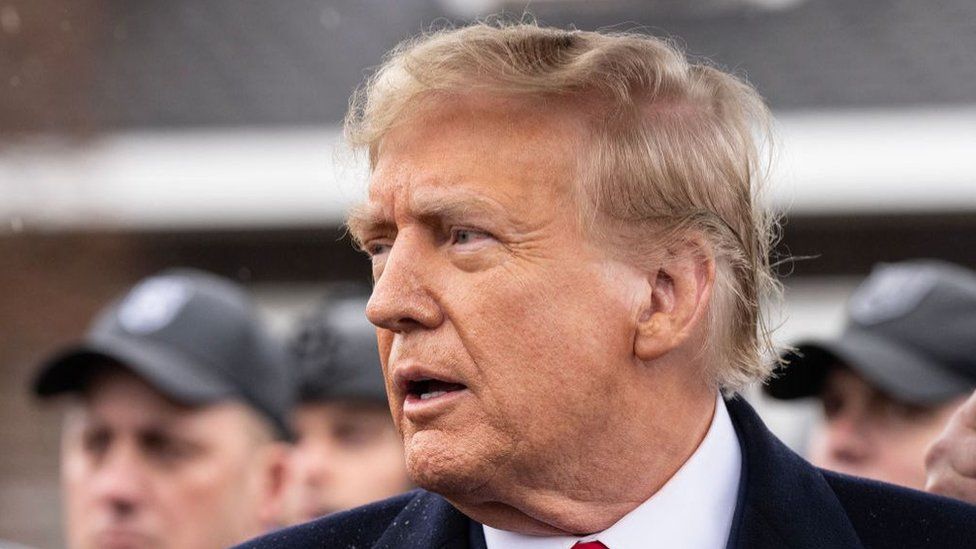
  • The Political Life of Donald Trump: Business Tycoon to President

    Donald J. Trump’s ascent from a real estate mogul to the 45th President of the United States is a narrative of audacity, controversy, and unprecedented political change. His unorthodox style and populist rhetoric reshaped American politics, leaving an indelible mark on the nation's history. This article explores Trump’s political journey, his significant policies, controversies, and his lasting impact on the American political landscape.


    Early Life and Business Career

    Donald John Trump was born on June 14, 1946, in Queens, New York. The son of real estate developer Fred Trump, Donald Trump was exposed to the world of business from a young age. He attended the Wharton School at the University of Pennsylvania, where he earned a degree in economics.

    Trump joined his father’s real estate business in 1968, and over the decades, he expanded the Trump Organization's portfolio with a focus on luxury real estate, hotels, and casinos. Trump's name became synonymous with opulence and ambition, thanks in part to his high-profile projects and the self-promotion that made him a household name.

    Entering the Political Arena

    Trump's political aspirations were evident long before he officially entered the race for the presidency. He flirted with presidential runs in 1988, 2000, and 2012, but it wasn't until 2015 that he announced his candidacy for the Republican nomination. His campaign was marked by its unconventional style, with Trump leveraging his celebrity status and media savvy to gain attention.

    The 2016 Presidential Campaign

    Trump's 2016 campaign was unlike any in recent American history. His slogan, "Make America Great Again," resonated with a wide swath of voters dissatisfied with the political establishment. Trump's campaign focused on issues such as immigration reform, economic nationalism, and a strong stance against globalism. His often incendiary rhetoric, including calls to build a wall on the U.S.-Mexico border and a temporary ban on Muslims entering the country, sparked both fervent support and fierce opposition.

    Despite facing skepticism from political pundits and the media, Trump secured the Republican nomination and went on to defeat Democratic candidate Hillary Clinton in a stunning electoral victory. His triumph was attributed to his appeal to working-class voters in key swing states and his ability to dominate media coverage.

    Presidency: Key Policies and Actions

    Economic Policies: Trump’s administration prioritized deregulation and tax cuts. The Tax Cuts and Jobs Act of 2017 was a major legislative achievement, reducing corporate tax rates and offering individual tax cuts. His economic agenda aimed to stimulate growth and increase employment, resulting in a booming stock market and low unemployment rates before the COVID-19 pandemic.

    Immigration: Immigration reform was a cornerstone of Trump’s presidency. His administration implemented a "zero tolerance" policy that led to the separation of migrant families at the border, a practice that drew widespread criticism. Trump's efforts to end the Deferred Action for Childhood Arrivals (DACA) program and build a border wall were central to his immigration strategy.

    Foreign Policy: Trump's "America First" approach reshaped U.S. foreign policy. He withdrew the U.S. from the Paris Climate Agreement, renegotiated NAFTA as the USMCA, and took a hardline stance on trade with China. Trump's administration brokered the Abraham Accords, normalizing relations between Israel and several Arab nations, which was seen as a significant diplomatic achievement.

    Judicial Appointments: Trump had a lasting impact on the federal judiciary, appointing three Supreme Court justices—Neil Gorsuch, Brett Kavanaugh, and Amy Coney Barrett—shifting the court's balance to the right. His administration confirmed a record number of federal judges, influencing the judiciary for generations.

    Controversies and Impeachments

    Trump's presidency was fraught with controversies and legal challenges. He faced two impeachments, a historic first for a U.S. president. The first impeachment in 2019 was related to allegations that he solicited foreign interference in the 2020 election by pressuring Ukraine to investigate Joe Biden. The Senate acquitted him. The second impeachment followed the January 6, 2021, Capitol riot, with charges of incitement of insurrection. Again, he was acquitted by the Senate.

    His handling of the COVID-19 pandemic was heavily criticized, with detractors pointing to a delayed response and inconsistent messaging. Additionally, his persistent claims of election fraud following his loss in the 2020 election to Joe Biden culminated in the Capitol riot, leading to widespread condemnation and a second impeachment.

    Post-Presidency and Legacy

    After leaving office, Trump continued to wield significant influence within the Republican Party. He remained a polarizing figure, with a loyal base of supporters and a substantial presence in the media. His post-presidency has been marked by ongoing legal battles and continued assertions of election fraud.

    Trump’s political legacy is complex and multifaceted. He redefined the Republican Party, shifting its focus towards populism and nationalism. His tenure saw significant policy shifts, judicial appointments, and diplomatic efforts that will have long-term implications. However, his presidency also exposed deep divisions within American society and raised critical questions about the state of American democracy.

    Donald Trump’s political life is a story of disruption and transformation. From a business tycoon to a president who defied conventions, his impact on American politics will be studied and debated for years to come.#TrumpImpeachment

    #TrumpLegacy

    #TrumpEconomics

    #TrumpForeignPolicy

    #TrumpImmigration

    Report on the Indian Election System and the Process of Electing the Prime Minister


    Introduction

    India, often referred to as the world's largest democracy, has a complex and robust electoral system designed to manage its vast and diverse population. The process of electing the Prime Minister, who is the head of the government, involves several stages and is a testament to the country’s commitment to democratic principles. This report delves into the structure of the Indian electoral system, the role of the Election Commission, the voting process, the political landscape, and the challenges and reforms associated with the electoral process.

    1. The Structure of Indian Democracy

    India operates as a federal parliamentary democratic republic. The Constitution of India, which came into effect on January 26, 1950, lays the foundation for the country's democratic framework. India’s political system is characterized by a division of powers among the central government and the states, with a President as the head of state and a Prime Minister as the head of government.

    Key Features:

    • Federal Structure: India is divided into 29 states and 8 Union territories, each with its own government.
    • Bicameral Legislature: The Parliament consists of two houses – the Lok Sabha (House of the People) and the Rajya Sabha (Council of States).
    • Prime Minister: The leader of the majority party or coalition in the Lok Sabha is appointed as the Prime Minister.

    2. The Role of the Election Commission

    The Election Commission of India is an autonomous constitutional authority responsible for administering election processes in India at both the national and state levels.

    Functions:

    • Conducting Elections: Organizes and oversees elections to the Lok Sabha, Rajya Sabha, and State Legislative Assemblies.
    • Voter Registration: Manages the electoral roll and ensures eligible citizens are registered to vote.
    • Election Code of Conduct: Enforces rules and guidelines to ensure free and fair elections.

    3. The Electoral Process

    Voter Eligibility:

    • Indian citizens aged 18 and above are eligible to vote.
    • Voter registration is mandatory, and voters must possess a valid voter ID card.

    Voting Mechanism:

    • India uses Electronic Voting Machines (EVMs) to conduct elections. These machines are designed to be tamper-proof and ensure quick and accurate vote counting.
    • Voting takes place at designated polling stations, which are set up to accommodate the vast number of voters across urban and rural areas.

    Election Phases:

    1. Announcement: The Election Commission announces the election schedule.
    2. Nomination: Candidates file their nominations.
    3. Campaigning: Political parties and candidates campaign to garner support.
    4. Voting: Voting is conducted in phases across different regions to ensure smooth logistics and security.
    5. Counting and Results: Votes are counted, and results are declared.

    4. Political Parties and Campaigns

    India has a multi-party system with numerous national and regional parties. Major national parties include the Bharatiya Janata Party (BJP) and the Indian National Congress (INC).

    Campaign Strategies:

    • Traditional Methods: Rallies, public meetings, and door-to-door canvassing.
    • Modern Techniques: Social media, digital campaigns, and televised debates.

    5. Electing the Prime Minister

    The Prime Minister is not directly elected by the people but is chosen from among the Members of Parliament (MPs) in the Lok Sabha.

    Process:

    1. General Elections: Held every five years to elect MPs to the Lok Sabha.
    2. Majority Party/Coalition: The party or coalition with the majority of seats is invited to form the government.
    3. Prime Minister Selection: The elected MPs of the majority party or coalition choose their leader, who is then appointed as the Prime Minister by the President of India.
    4. Swearing-In Ceremony: The President formally appoints the Prime Minister, who then takes the oath of office.

    6. Challenges and Reforms

    Despite a robust electoral framework, the Indian election system faces several challenges:

    Challenges:

    • Voter Intimidation: Instances of coercion and violence during elections.
    • Electoral Fraud: Issues such as bogus voting and tampering with EVMs.
    • Influence of Money and Media: Undue influence exerted by wealthy candidates and biased media coverage.

    Reforms:

    • Voter Education: Initiatives to educate voters about their rights and the importance of voting.
    • Campaign Finance Regulations: Stricter laws to regulate election spending and ensure transparency.
    • Advanced Voting Technologies: Continuous updates to EVMs and exploration of technologies like blockchain for secure voting.

    Conclusion

    The Indian electoral system is a cornerstone of its democratic ethos, reflecting the country’s commitment to inclusive and representative governance. Despite the challenges, ongoing reforms and the dedication of institutions like the Election Commission ensure the integrity and fairness of the electoral process. As India moves forward, the strength and vibrancy of its democracy will continue to be a beacon for democratic values worldwide.

    Wednesday, May 29, 2024

    Creating an AI like GPT-4 involves several complex steps, including data collection, model training, and deployment. Here's a high-level overview of the process:

    1. Define the Objective

    Determine what specific tasks your AI should accomplish (e.g., text generation, summarization, translation).


    2. Data Collection

    Collect a large and diverse dataset to train your model. This could include books, articles, websites, and other text sources.

    3. Data Preprocessing

    Clean and preprocess the data. This includes tokenization (breaking text into tokens), normalization (lowercasing, removing punctuation), and handling outliers.

    4. Model Selection

    Choose an appropriate model architecture. For a GPT-like model, you'd typically use a Transformer architecture.

    5. Training the Model

    Train your model on the preprocessed data. This requires significant computational resources and expertise in machine learning. OpenAI’s GPT models are trained on supercomputers with thousands of GPUs.

    6. Fine-Tuning

    Fine-tune the model on specific tasks or domains to improve performance.

    7. Evaluation

    Evaluate the model’s performance using various metrics and datasets to ensure it meets your requirements.

    8. Deployment

    Deploy the model using an appropriate framework (like TensorFlow or PyTorch) and make it accessible via an API or a web interface.

    9. Monitoring and Maintenance

    Continuously monitor the model's performance and update it with new data to maintain its accuracy and relevance.

    Open-Source Alternatives

    Instead of building your own model from scratch, you can leverage existing open-source models and tools:

    Hugging Face Transformers

    • Library: Hugging Face’s transformers library provides pre-trained models, including variants of GPT.
    • Usage: You can fine-tune these models on your own data for specific tasks.

    Example Workflow using Hugging Face Transformers

    1. Install the Transformers library:

      bash
      pip install transformers
    2. Load a pre-trained model and tokenizer:

      python
      from transformers import GPT2LMHeadModel, GPT2Tokenizer model_name = "gpt2" # You can choose a more advanced model like "gpt-3" if available. model = GPT2LMHeadModel.from_pretrained(model_name) tokenizer = GPT2Tokenizer.from_pretrained(model_name)
    3. Fine-tune the model: Fine-tuning involves preparing a dataset and running the training loop, which requires substantial computing power. Here's a simplified example:

      python
      from transformers import Trainer, TrainingArguments, TextDataset, DataCollatorForLanguageModeling def load_dataset(file_path, tokenizer, block_size=128): dataset = TextDataset( tokenizer=tokenizer, file_path=file_path, block_size=block_size ) return dataset train_dataset = load_dataset("path/to/train.txt", tokenizer) test_dataset = load_dataset("path/to/test.txt", tokenizer) data_collator = DataCollatorForLanguageModeling(tokenizer=tokenizer, mlm=False) training_args = TrainingArguments( output_dir="./results", overwrite_output_dir=True, num_train_epochs=1, per_device_train_batch_size=4, save_steps=10_000, save_total_limit=2, ) trainer = Trainer( model=model, args=training_args, data_collator=data_collator, train_dataset=train_dataset, eval_dataset=test_dataset, ) trainer.train()
    4. Generate Text:

      python
      input_text = "Once upon a time" inputs = tokenizer(input_text, return_tensors="pt") outputs = model.generate(inputs["input_ids"], max_length=50) text = tokenizer.decode(outputs[0], skip_special_tokens=True) print(text)

    Conclusion

    Building an AI like GPT-4 from scratch is a monumental task, but leveraging open-source tools and pre-trained models like those from Hugging Face can make the process more manageable. Fine-tuning these models on your data can help you create a powerful AI without the need for extensive resources.

    1. Artificial Intelligence
    2. AI Models
    3. Machine Learning
    4. Natural Language Processing
    5. Deep Learning
    6. Generative AI

    ChatGPT-Specific Tags

    1. ChatGPT
    2. GPT-4
    3. OpenAI
    4. Conversational AI
    5. Chatbot Development
    6. Language Models
    7. GPT Applications
    8. AI Text Generation
    9. AI Conversations
    10. GPT-4 Features

    Use Cases and Applications

    1. AI in Customer Service
    2. AI in Education
    3. AI for Content Creation
    4. AI for Coding Assistance
    5. AI for Writing
    6. AI in Healthcare
    7. AI for Marketing

    Technical and Development Tags

    1. GPT-4 Fine-Tuning
    2. AI Model Training
    3. AI Programming
    4. NLP Algorithms
    5. AI Data Preprocessing
    6. AI Frameworks
    7. Machine Learning Libraries

    Ethical and Societal Impact

    1. AI Ethics
    2. AI Bias
    3. AI Regulations
    4. Responsible AI
    5. AI and Society
    6. AI Future Trends
    7. AI Transparency

    Tutorials and Guides

    1. GPT-4 Tutorials
    2. How to Use ChatGPT
    3. ChatGPT Tips and Tricks
    4. Building with GPT-4
    5. GPT-4 API Integration
    6. Chatbot Development Guide

    News and Updates

    1. AI News
    2. ChatGPT Updates
    3. OpenAI News
    4. Latest in AI
    5. GPT-4 Announcements

    Community and Support

    1. AI Community
    2. ChatGPT Support
    3. OpenAI Community
    4. AI Forums
    5. Chatbot Feedback

    Furiosa: A Mad Max Saga – A Thunderous Prequel That Roars to Life


    Rating: ★★★★☆ (4/5)

    Overview: "Furiosa: A Mad Max Saga" is the highly anticipated prequel to George Miller's critically acclaimed "Mad Max: Fury Road." Directed once again by Miller, this installment dives into the backstory of the fierce and enigmatic Imperator Furiosa, portrayed by Anya Taylor-Joy. Set against the backdrop of the post-apocalyptic wasteland, the film explores Furiosa's origins, her rise to power, and the trials that shaped her into the warrior we first met in Fury Road.

    Plot: The story begins in the desolate territories controlled by Immortan Joe, years before the events of "Fury Road." Young Furiosa is taken from her home and thrust into a brutal world where survival hinges on strength and cunning. The narrative traces her harrowing journey through betrayal, alliances, and relentless battles. Along the way, she encounters a diverse cast of characters, including her formidable mentor (played by Chris Hemsworth), who plays a pivotal role in her transformation from captive to fierce leader.

    Performances: Anya Taylor-Joy delivers a stellar performance as Furiosa, capturing the character's vulnerability, resilience, and unyielding spirit. Taylor-Joy's portrayal is both fierce and nuanced, effectively conveying the inner turmoil and determination that define Furiosa. Chris Hemsworth offers a compelling and complex performance, adding depth to the mentor figure who helps shape Furiosa's destiny. The supporting cast, including Yahya Abdul-Mateen II and Tom Burke, contribute significantly to the film's dynamic ensemble.

    Direction and Cinematography: George Miller's direction is as masterful as ever, combining breathtaking action sequences with moments of poignant character development. The film's visual style retains the gritty, hyper-real aesthetic of its predecessor, with expansive desert landscapes, explosive chases, and meticulously choreographed combat scenes. Cinematographer John Seale, who returned from retirement for this project, captures the harsh beauty of the wasteland with stunning clarity and detail.

    Themes and Impact: "Furiosa: A Mad Max Saga" delves into themes of power, survival, and identity, exploring the transformative journey of its protagonist. The film emphasizes the strength found in resilience and the impact of mentorship and camaraderie in overcoming insurmountable odds. As a prequel, it enriches the Mad Max mythology, providing deeper context to Furiosa's character and the world she inhabits.

    Conclusion: "Furiosa: A Mad Max Saga" is a thrilling and emotionally resonant addition to the Mad Max franchise. While it stands on its own as an exhilarating action film, it also offers fans of the series a deeper understanding of one of its most iconic characters. With outstanding performances, visionary direction, and a gripping narrative, this prequel secures its place as a worthy successor to "Fury Road." Whether you're a die-hard fan or a newcomer to the wasteland, "Furiosa" promises a cinematic experience that's both visceral and unforgettable.

    • Furiosa
    • Mad Max Saga
    • George Miller
    • Anya Taylor-Joy
    • Chris Hemsworth
    • Post-apocalyptic films
    • Movie review
    • Action movies
    • Cinematic prequels
    • Film analysis
    • Character backstory
    • Sci-fi adventure
    • Movie sequels
    • Cinema 2024
    • Film industry new

    Tuesday, May 28, 2024

    Deadpool & Wolverine: The Ultimate Marvel Team-Up Unleashes Hilarious Chaos and Intense Action!

     "Deadpool & Wolverine" is an exciting, action-packed collaboration that comic book fans and movie enthusiasts have eagerly anticipated for years. Blending the irreverent humor and meta-commentary of Deadpool with the gritty, no-nonsense attitude of Wolverine, this team-up brings together two of Marvel's most beloved anti-heroes in a thrilling and entertaining package.


    Plot and Storytelling

    The storyline expertly combines the distinct narrative styles of both characters. Deadpool's quippy, fourth-wall-breaking antics contrast sharply with Wolverine's gruff and stoic demeanor. This dynamic creates a balance that drives the plot forward with humor and intensity. The plot centers around a high-stakes mission that forces Deadpool and Wolverine to work together, despite their vastly different approaches to heroism and life in general. The story is filled with unexpected twists, explosive action sequences, and plenty of fan service that nods to the rich histories of both characters.

    Character Development

    Ryan Reynolds reprises his role as Deadpool, delivering the same charismatic and hilarious performance that fans have come to love. His portrayal continues to be the perfect blend of irreverence and heart, making Deadpool both a relatable and outlandish figure. Hugh Jackman returns as Wolverine, bringing a deep, emotional gravitas to the character. His performance captures Wolverine's inner turmoil and relentless determination, providing a strong counterpoint to Deadpool's chaotic energy. The chemistry between Reynolds and Jackman is palpable, and their on-screen banter is one of the film's highlights.

    Action and Visuals

    The action sequences are a standout aspect of "Deadpool & Wolverine." The film features a variety of combat styles, from Deadpool's acrobatic, unpredictable fighting to Wolverine's brutal, straightforward brawling. The choreography is top-notch, and the special effects enhance the visceral impact of each battle. The film does not shy away from graphic violence, staying true to the characters' roots while pushing the boundaries of typical superhero fare.

    Humor and Tone

    One of the film's greatest strengths is its humor. Deadpool's self-awareness and penchant for breaking the fourth wall are utilized to great effect, providing a running commentary that is both hilarious and insightful. The humor is well-balanced with darker, more serious moments, especially those involving Wolverine's backstory and motivations. This mix of tones creates a film that is both fun and emotionally resonant.

    Direction and Production

    The direction by [Director's Name] seamlessly blends the disparate elements of Deadpool and Wolverine's worlds. The pacing is brisk, ensuring that the film never drags, and the transitions between comedy and drama are handled with finesse. The production design captures the gritty, down-to-earth feel of Wolverine's adventures while incorporating the vibrant, over-the-top aesthetic of Deadpool's escapades.

    Conclusion

    "Deadpool & Wolverine" is a triumph of superhero storytelling. It leverages the strengths of both characters to create a film that is as entertaining as it is impactful. Fans of Deadpool will revel in the character's trademark humor and irreverence, while Wolverine enthusiasts will appreciate the depth and intensity of his portrayal. Together, they form a dynamic duo that delivers a memorable cinematic experience. Whether you're a longtime fan or new to the characters, this film is a must-watch for anyone who enjoys a well-crafted, action-packed superhero adventure.

  • #Deadpool
  • #Wolverine
  • #MarvelComics
  • #SuperheroMovies
  • #DeadpoolAndWolverine
  • #RyanReynolds
  • #HughJackman
  • #MarvelTeamUp
  • #ComicBookMovies
  • #ActionPacked
  • #MovieReview
  • #SuperheroCrossover
  • #MarvelCinematicUniverse
  • #DeadpoolHumor
  • #WolverineAction
  • #AntiHeroes
  • #MarvelFans
  • #ComicBookFans
  • #FourthWallBreaking
  • #ActionComedy
  • Monday, May 27, 2024

    George Wilkins: Life and Legacy of an Early 17th-Century Dramatist and Pamphleteer

     Early Life and Background

    George Wilkins was born around 1576, in a period marked by the flourishing of the English Renaissance and the early days of the Jacobean era. His exact place of birth and details of his family background remain obscure, largely due to the limited historical records. Wilkins emerged in a vibrant cultural milieu, where literature, drama, and the arts were experiencing a significant transformation.


    The late 16th and early 17th centuries were times of great change in England. The country had undergone religious upheaval during the reigns of Henry VIII and Elizabeth I, which saw the establishment of the Church of England and the ebb and flow of Protestant and Catholic influences. The rise of the Stuart dynasty with James I in 1603 brought new dynamics to the court and society. This period also saw the expansion of English trade and exploration, which brought tales of far-off lands and exotic adventures to the forefront of public imagination.

    Early Career and Introduction to Drama

    Wilkins' first known foray into the literary world was as a dramatist. By the early 1600s, he had become involved in the London theatre scene, which was dominated by figures such as William Shakespeare, Ben Jonson, and Christopher Marlowe. Theatres like The Globe and The Rose were the epicenters of this cultural revolution, attracting audiences from all walks of life.

    One of Wilkins' earliest and most significant contributions was his involvement in the play "Pericles, Prince of Tyre." "Pericles" is one of Shakespeare's more obscure plays, and the extent of Wilkins' involvement has been a subject of scholarly debate. It is generally accepted that Wilkins co-wrote the first two acts of "Pericles," with Shakespeare likely taking over the latter portions of the play. The collaboration is indicative of Wilkins' abilities and his integration into the network of playwrights working in London at the time.

    Major Works and Themes

    Wilkins' independent works further showcase his talents and thematic interests. His notable play "The Miseries of Enforced Marriage" (1607) is a powerful example of early 17th-century domestic tragedy. The play is based on the true story of Walter Calverley, who murdered his children and was subsequently executed. "The Miseries of Enforced Marriage" delves into themes of social obligation, personal despair, and the pressures of societal expectations.

    The play opens with the protagonist, Scarborrow, being forced into an unwanted marriage to satisfy his family’s financial and social ambitions. The narrative explores the consequences of this coercion, leading to Scarborrow's moral and psychological decline. Wilkins' portrayal of Scarborrow’s turmoil and eventual violent outburst reflects his deep understanding of human emotions and the tragic potential of enforced social norms.

    Wilkins' style is marked by a focus on realistic dialogue and complex character interactions, traits that resonate with the works of his contemporaries. His ability to weave intricate narratives around common social issues allowed his plays to connect with audiences on a personal level, despite the often grim subject matter.

    Prose Works and Pamphleteering

    In addition to his dramatic works, George Wilkins also engaged in prose writing, particularly pamphleteering. One of his most infamous works is "The Three Miseries of Barbary" (1606), a sensational account of English captives’ hardships in North Africa. This pamphlet fits into the broader context of early 17th-century travel literature, which capitalized on the public’s fascination with exotic locales and the perils of overseas adventures.

    "The Three Miseries of Barbary" details the capture and suffering of Englishmen by Barbary pirates. It provides vivid descriptions of the physical and psychological torments endured by the captives, serving both as a cautionary tale and a piece of propaganda that highlights the dangers faced by English travelers and traders. Wilkins' account, whether entirely factual or embellished for effect, underscores the period's concerns about international threats and the vulnerability of English subjects abroad.

    Personal Life and Legal Troubles

    George Wilkins' life was as tumultuous as the events he wrote about. Records from the period indicate that he was frequently involved in legal disputes and altercations. He was arrested several times for various offenses, including debt and assault. These brushes with the law suggest a man living on the margins of respectability, navigating the precarious existence of a freelance writer in early modern London.

    The legal records from this period provide glimpses into Wilkins' character and personal struggles. His involvement in numerous altercations could indicate a combative personality or simply the harsh realities of life for many in Jacobean England. Debt, in particular, was a common issue for writers and artists, who often struggled to secure stable income from their creative endeavors.

    Literary Collaborations and Influence

    Wilkins’ collaboration with Shakespeare on "Pericles" is perhaps the most notable aspect of his literary career. The play itself is a fascinating example of early modern drama, blending elements of romance, adventure, and tragedy. "Pericles" tells the story of the eponymous prince's journeys and trials, featuring shipwrecks, lost family members, and eventual reunions. The episodic structure and varied locations of the play would have required a deft hand in co-writing, and Wilkins' contributions to the initial acts are crucial to setting up the narrative's progression.

    The relationship between Wilkins and Shakespeare is indicative of the collaborative nature of early modern playwriting. Playwrights often worked together, sharing ideas and even co-authoring works. This collaborative spirit extended beyond the writing process to the production and performance of plays, where actors, directors, and playwrights worked closely to bring stories to life on stage.

    Wilkins' influence can be traced in the thematic and stylistic elements of "Pericles." His focus on domestic issues and the psychological depth of characters are evident in the early acts of the play. The seamless integration of these elements with Shakespeare’s more poetic and expansive style creates a unique dramatic work that stands out in the Shakespearean canon.

    Historical and Cultural Context

    Understanding Wilkins’ life and work requires an appreciation of the broader historical and cultural context of early 17th-century England. The period was marked by political stability under the reign of James I, but also by social and economic changes. The expansion of the English economy, particularly through trade and colonization, brought new wealth and cultural influences into the country. However, it also created social tensions and disparities.

    Theatre and literature flourished during this time, serving both as entertainment and as a means of exploring contemporary issues. The plays of the period often addressed themes such as power, identity, and morality, reflecting the complexities of a rapidly changing society. Wilkins' works, with their focus on domestic tragedy and social pressures, fit neatly into this landscape, offering audiences a mirror to their own experiences and concerns.

    The early 17th century was also a time of significant intellectual and artistic activity. The Renaissance, with its emphasis on humanism and the revival of classical learning, continued to influence English culture. This period saw the works of great writers such as Shakespeare, Jonson, and John Donne, whose contributions to literature and drama remain unparalleled.

    Decline and Obscurity

    Despite his early contributions to English drama, George Wilkins' career was relatively short-lived. After the early 1610s, records of his activities become sparse, and it is presumed that he faded into obscurity. The exact date and circumstances of his death are unknown, but it is likely that he died sometime before 1618, as no further records of his life or work exist after this period.

    Wilkins' decline into obscurity may be attributed to several factors. The competitive nature of the London theatre scene, personal difficulties, and perhaps a lack of patronage could have contributed to his diminished output. Additionally, the transient nature of fame and recognition in the early modern period meant that many writers who were once popular or influential were quickly forgotten.

    Legacy and Modern Reassessment

    In modern times, George Wilkins has been re-evaluated by scholars who recognize his contributions to early modern English drama. His role in co-writing "Pericles" and his independent works like "The Miseries of Enforced Marriage" have been studied for their thematic depth and stylistic qualities. Wilkins' focus on domestic issues and his ability to capture the emotional complexities of his characters have garnered appreciation from literary historians.

    The collaborative nature of his work with Shakespeare has also sparked interest in the ways in which early modern playwrights worked together. The study of Wilkins' contributions provides insights into the creative processes of the time and the ways in which different writers influenced each other.

    Wilkins' works are now seen as valuable pieces of the broader tapestry of English Renaissance literature. His ability to tackle serious social issues through drama and his engagement with contemporary themes of marriage, duty, and personal suffering offer a window into the concerns of early 17th-century England.

    Conclusion

    George Wilkins may not have achieved the lasting fame of his contemporaries like Shakespeare or Jonson, but his contributions to English drama and literature are nonetheless significant. His life, marked by legal troubles and personal challenges, reflects the precarious existence of many early modern writers. Despite these difficulties, Wilkins produced works that continue to be studied and appreciated for their emotional depth and social relevance.

    Wilkins' legacy is a testament to the collaborative and dynamic nature of the early modern English theatre. His works, both independent and collaborative, offer valuable insights into the themes and concerns of his time, ensuring that he remains a noteworthy figure in the history of English literature.

    Harry Potter

     The Dark Lord Ascending T he two men appeared out of nowhere, a few yards apart in the narrow, moonlit lane. For a second they stood quite ...