Monday, March 18, 2024

A brief history of time illustrated

 "A Brief History of Time" is a groundbreaking book written by renowned physicist Stephen Hawking, first published in 1988. It aims to explain complex scientific concepts such as cosmology, the Big Bang theory, black holes, and the nature of time to a general audience.



The book begins with an overview of the history of ideas about the universe, from Aristotle and Ptolemy to Galileo and Newton. It then delves into modern cosmology, exploring Einstein's theory of relativity and its implications for understanding the structure and behavior of the universe.

Hawking discusses the Big Bang theory, which proposes that the universe originated from a singular point of infinite density and temperature around 13.8 billion years ago. He explains how the universe has been expanding and evolving ever since, leading to the formation of galaxies, stars, and planets.

One of the most fascinating aspects of the book is its exploration of black holes, regions of space where gravity is so intense that nothing, not even light, can escape. Hawking describes how black holes are formed, how they behave, and the profound implications they have for our understanding of the universe.

Throughout the book, Hawking engages with profound questions about the nature of time and the universe, such as whether time has a beginning and an end, and whether the universe will eventually collapse back on itself or continue expanding indefinitely.

"A Brief History of Time" became an instant bestseller and has since sold millions of copies worldwide. Its accessible yet profound exploration of the mysteries of the universe has made it a classic of popular science literature, inspiring readers to contemplate the nature of existence and our place in the cosmos.

a brief history of time,brief history of time,a brief history of time book,a brief history of time summary,history,a brief history of time (book),a brief history of time book summary,a brief history of time by stephen hawking,history of time,a brief story of time,brief history of time lords,brief history of timekeeping,hardcover a brief history of time,a brief history of time book review,brief,a brief history of time illustrated,theory of everything

Saturday, March 16, 2024

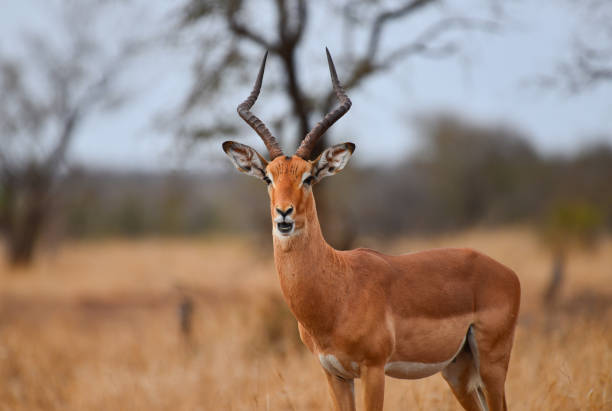
Facts about Antelope


Antelopes are a diverse group of herbivorous mammals belonging to the family Bovidae, characterized by their slender bodies, long legs, and distinctive horns. They are native to various habitats across Africa, Asia, and parts of the Americas. From the graceful springbok to the majestic impala, antelopes exhibit a remarkable array of adaptations that enable them to thrive in diverse environments.


Physically, antelopes vary widely in size, coloration, and horn structure. Some species, like the diminutive dik-dik, stand only a foot tall at the shoulder, while others, such as the eland, can reach heights of over six feet. Their coats display an assortment of patterns and hues, ranging from the sandy tones of the oryx to the striking black and white markings of the sable antelope. The horns of antelopes also come in an assortment of shapes and sizes, from the elegant spirals of the kudu to the straight, sharp-tipped horns of the impala.

One of the most notable features of antelopes is their speed and agility. Many species are capable of running at high speeds over long distances, making them well-equipped to evade predators such as lions, cheetahs, and hyenas. Their long, slender legs and lightweight bodies allow them to cover vast stretches of terrain with ease, while their keen senses of sight, smell, and hearing help them detect danger from afar.

Antelopes are primarily herbivores, feeding on a diet of grasses, leaves, and other vegetation. Their specialized digestive systems enable them to extract nutrients from tough, fibrous plant material, allowing them to thrive in regions where food resources may be scarce. Some species, like the springbok, are known for their ability to survive in arid environments by obtaining water from the plants they consume or from dew collected on their fur.

These animals are also highly social, often forming herds that range in size from a few individuals to several hundred. Within these herds, individuals engage in complex social behaviors such as grooming, playing, and establishing dominance hierarchies. Mating rituals vary among species but often involve elaborate displays of strength and agility by males competing for the attention of females.

Despite their adaptability and resilience, antelopes face numerous threats to their survival. Habitat loss, caused by human encroachment and agricultural expansion, has led to the fragmentation and destruction of their natural habitats. Poaching for their horns and hides also poses a significant threat to many species, particularly those with large, impressive horns prized as trophies or traditional medicine.

Conservation efforts aimed at protecting antelope species and their habitats are underway across their range. National parks and reserves provide crucial refuges for these animals, offering sanctuary from human activities and preserving vital ecosystems. Additionally, initiatives to combat poaching and illegal wildlife trade are helping to reduce the pressures facing antelope populations.

In conclusion, antelopes are a diverse and fascinating group of mammals, adapted to thrive in a wide range of habitats across the globe. From the sweeping plains of Africa to the rugged mountains of Asia, these graceful creatures exemplify the beauty and resilience of the natural world. However, their survival is increasingly threatened by human activities, underscoring the importance of conservation efforts to ensure their continued existence for generations to come.


antelope,antelope hunting,antelope vs cheetah,cheetah vs antelope,pronghorn antelope,antelopes,antelope running,antelope jumping,springbok antelope,african antelopes,biggest antelope,sable antelope,facts about antelope,all antelopes,springboks antelopes vs cheetahs,antelope sound,list of antelopes,top antelope,the antelope,antelope noises,antelope sounds,antelope gun,antelopes in world,types of antelopes,kinds of antelopes,antelopes habitat

Tuesday, March 5, 2024

facebook not working


On a seemingly ordinary day, the digital world was shaken by an unexpected event that brought one of its giants to its knees. Facebook, the social media behemoth that connects billions of people across the globe, experienced a catastrophic server outage. What began as a routine scroll through timelines and updates swiftly turned into an unprecedented digital blackout. For hours, users were met with error messages, blank screens, and a sense of disconnection from the virtual realm they had grown accustomed to. The outage didn't just disrupt social networking; it disrupted routines, businesses, and even sparked conversations about the extent of our dependence on technology.


The Digital Downturn:


As the outage unfolded, users across various platforms took to Twitter, Reddit, and other social media outlets to express their confusion, frustration, and even amusement. Memes and jokes flooded timelines, providing a brief moment of levity amidst the chaos. However, beneath the surface, there was a palpable sense of unease. Facebook, along with its family of apps including Instagram and WhatsApp, had become deeply ingrained in the daily lives of billions of people. From staying connected with friends and family to conducting business and accessing news, its absence left a void that was difficult to ignore.


The Ripple Effect:


The impact of the outage extended far beyond individual users. Businesses that relied on Facebook for marketing and communication found themselves scrambling to adapt to the sudden disruption. E-commerce platforms, influencers, and content creators saw their reach and revenue streams dwindle as their primary means of reaching audiences vanished. For some, the outage served as a stark reminder of the risks associated with relying too heavily on a single platform for livelihood and communication.


The Anatomy of a Blackout:


While Facebook remained relatively tight-lipped about the specifics of the outage, speculation ran rampant. Some attributed it to technical glitches, while others speculated about cyberattacks or internal issues. Regardless of the cause, the outage underscored the fragility of the digital infrastructure that underpins our interconnected world. It served as a wake-up call for both users and tech companies alike, highlighting the need for robust backup systems and contingency plans to mitigate the impact of such events in the future.


The Human Element:


Beyond the technical intricacies, the outage prompted reflection on the human element of social media. In an age where virtual interactions often take precedence over face-to-face communication, the outage forced many to confront the reality of their digital dependencies. Questions arose about the nature of online relationships, the authenticity of virtual experiences, and the role of social media in shaping our perceptions of the world. For some, the forced hiatus from constant connectivity served as a welcome reprieve, offering an opportunity to reevaluate priorities and rediscover the value of offline interactions.


Looking Ahead:


As Facebook gradually restored service and normalcy resumed, the outage left a lasting impression on users and observers alike. It served as a reminder of the profound influence that technology wields over our lives and the need for balance in our digital diet. While social media undoubtedly plays a valuable role in fostering connections and facilitating communication, it is essential to approach it mindfully and critically. As we navigate an increasingly interconnected world, we must remain vigilant to the risks and vulnerabilities inherent in our reliance on technology.


In the aftermath of the outage, conversations about digital resilience, data privacy, and the ethics of tech dominance gained renewed urgency. It is clear that the events of that fateful day will leave a lasting imprint on the collective consciousness, serving as a cautionary tale for generations to come. The great Facebook server outage of [insert date] may have brought the digital world to a standstill, but it also sparked a wave of reflection, dialogue, and ultimately, resilience in the face of uncertainty.

Vanuatu: An Academic Description

  Part 1: General Overview and Physical Geography 1. Introduction Vanuatu is an island nation located in the South Pacific Ocean, forming ...