Finland is known for its diverse
ecosystems, including forests, lakes, and wetlands, which contribute to its rich biodiversity.
The country's flora and fauna have adapted to its varying climate and
landscape. Some key points about the biodiversity of Finland include:
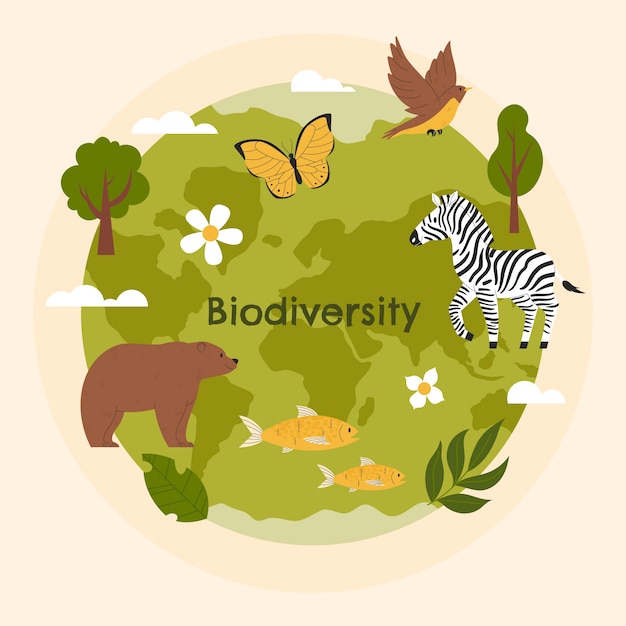
Forests: Finland is covered by
extensive forests, predominantly composed of coniferous trees such as pine,
spruce, and birch. These forests are home to a variety of wildlife, including
moose, reindeer, bears, lynx, and various bird species.
Lakes and Wetlands: Finland has
thousands of lakes and numerous wetlands. These water bodies support diverse
aquatic life, including fish species like perch, pike, and salmon. Wetlands are
important habitats for various birds, amphibians, and insects.
Birdlife: Finland is a haven for
birdwatchers, with over 400 bird species recorded. The country is home to a
variety of waterfowl, raptors, and migratory birds. The Finnish archipelago and
coastal areas are particularly important for bird diversity.
Reindeer: The northern regions of
Finland are inhabited by the Sámi people, who traditionally herd reindeer.
Reindeer are a vital part of the region's biodiversity and cultural heritage.
Endangered Species: Like many
countries, Finland faces challenges related to habitat loss, pollution, and
climate change, impacting some species. Efforts are made to protect and
conserve endangered species, and there are national parks and nature reserves
dedicated to preserving natural habitats.
Conservation Efforts: Finland has
implemented various conservation measures and sustainable forestry practices to
maintain and protect its biodiversity. The government, along with environmental
organizations, works to balance economic interests with the need to preserve
natural ecosystems.
It's important to note that
preserving biodiversity is a global concern, and countries, including Finland,
are working towards sustainable practices to ensure the health and diversity of
their ecosystems.


